

Asthma/COPD Medication Safety Checker
Medication Safety Assessment
Safety Recommendations
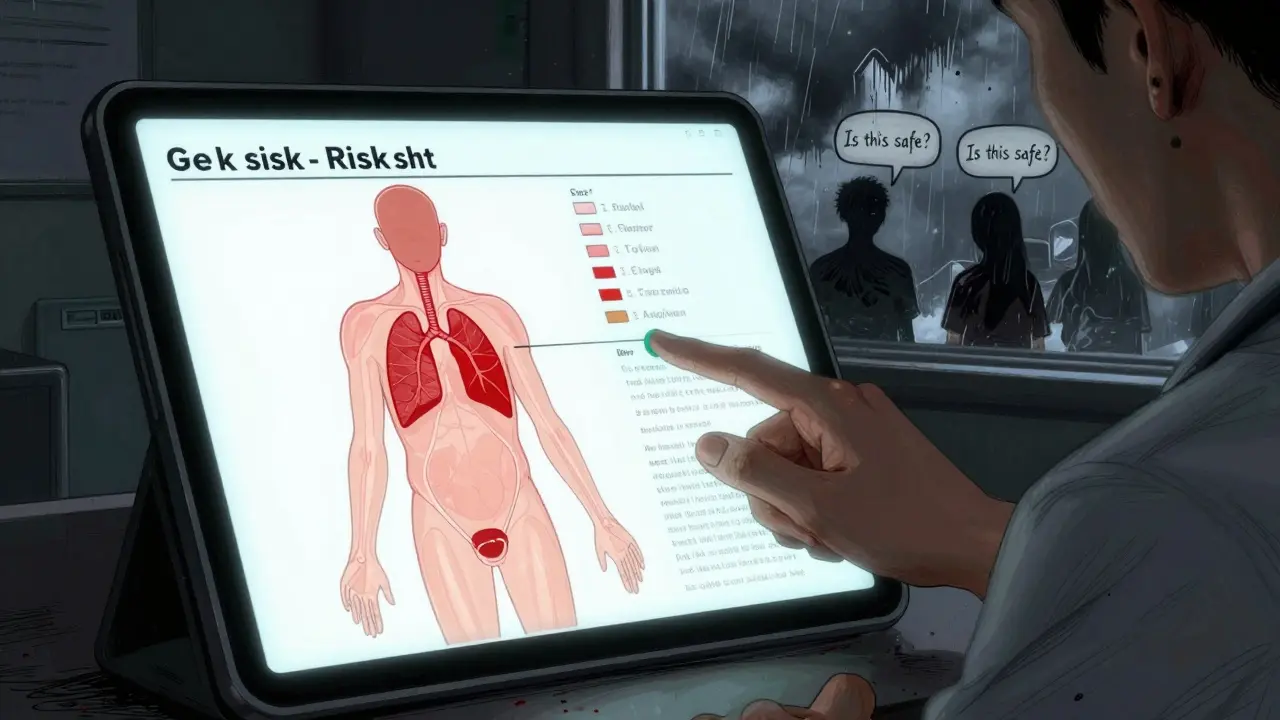
Medication Safety Checklist
- Step 1 Keep a living medication list
- Step 2 Do the brown bag test every 6 months
- Step 3 Ask: "Is this safe with my asthma/COPD?"
- Step 4 Use the free COPD Medication Safety App
When you're managing asthma or COPD, your inhaler isn't the only thing that affects your breathing. Many everyday medications - even those meant for headaches, allergies, or pain - can quietly make your lung condition worse. In fact, nearly one in three people with asthma or COPD have had a breathing episode triggered by a drug they didn’t realize was risky. This isn't rare. It's common. And it’s often preventable.
What Medications Are You Really Taking?
Most people with asthma or COPD take multiple medications. Some are prescribed. Others are bought over the counter. A 2023 patient survey by Asthma + Lung UK found that 31% of respondents had experienced breathing problems linked to medications they didn’t think were connected to their lungs. That includes painkillers, cold remedies, sleep aids, and even bladder pills. The real problem? Many patients don’t tell their doctors about everything they’re taking. They assume only prescription drugs matter. But it’s the combination - the hidden mix - that creates danger.The Big Three: Bronchodilators and Their Hidden Risks
Bronchodilators are the backbone of asthma and COPD treatment. They open your airways. But not all of them play well together. Long-acting beta-agonists (LABAs) like formoterol and salmeterol, and long-acting muscarinic antagonists (LAMAs) like tiotropium and umeclidinium, are often combined in one inhaler. These combinations work because they target different pathways in the lungs. For example, Anoro Ellipta (umeclidinium + vilanterol) and Bevespi Aerosphere (formoterol + glycopyrrolate) are designed to deliver stronger, longer-lasting relief than either drug alone. But here’s the catch: mixing LAMAs with other anticholinergic drugs can overload your system. That includes:- Oxybutynin (for overactive bladder)
- Diphenhydramine (Benadryl and many sleep aids)
- Amitriptyline (a tricyclic antidepressant)
- Benztropine (used for Parkinson’s)
Opioids: A Silent Threat to COPD Patients
If you have COPD and take opioids - whether it’s oxycodone, hydrocodone, or codeine - you’re playing with fire. These drugs slow your breathing. Your lungs are already struggling. Adding an opioid can push you into respiratory failure. A 2022 study in the International Journal of Chronic Obstructive Pulmonary Disease showed that opioid use in COPD patients increases hospitalization risk by up to 40%. The danger spikes even higher when opioids are mixed with:- Benzodiazepines (like diazepam or alprazolam)
- Some antibiotics (clarithromycin, erythromycin)
- Antifungals (ketoconazole, itraconazole)
- Certain antidepressants
Nonselective Beta-Blockers: A No-Go for Asthma
Beta-blockers are used for high blood pressure, heart rhythm issues, and anxiety. But not all are safe. Nonselective beta-blockers like propranolol and nadolol block beta-2 receptors - the same ones your rescue inhaler activates to open your airways. For someone with asthma, this can trigger a sudden, severe bronchospasm. Studies show these drugs can reduce FEV1 (a key lung function measure) by 15-25% in susceptible people. The good news? Selective beta-blockers like metoprolol and bisoprolol target the heart more than the lungs. A 2021 trial called BLOCK-COPD found that COPD patients with heart disease who switched to metoprolol had 14% fewer severe flare-ups than those who didn’t take beta-blockers at all. So if you have asthma or COPD and need a beta-blocker, ask your doctor: Is this selective? If they’re unsure, get a second opinion.
NSAIDs and Aspirin: The Hidden Asthma Trigger
Ibuprofen. Naproxen. Aspirin. These are common pain relievers. But for about 10% of adults with asthma - especially those with nasal polyps or chronic sinusitis - they can cause a dangerous reaction. This isn’t an allergy. It’s a pharmacological response. Within 30 to 120 minutes of taking an NSAID, the airways can tighten, leading to wheezing, coughing, and sometimes full-blown asthma attacks. One Reddit user, BreathingHard2020, had a severe attack after taking ibuprofen for a headache. Their story isn’t unique. Asthma + Lung UK’s data shows 9% of adult asthmatics report NSAID-triggered symptoms. If you’ve ever had a breathing problem after taking Advil or Aleve, stop using it. Switch to acetaminophen (paracetamol). It’s the safest pain relief option for asthma patients.What About Antibiotics and Antifungals?
Some antibiotics and antifungals interfere with how your body breaks down your respiratory meds. Clarithromycin and erythromycin block an enzyme called CYP3A4. This enzyme processes many inhaled steroids and LABAs. When it’s blocked, drug levels build up in your blood - increasing side effects like tremors, rapid heartbeat, or even heart rhythm problems. The same goes for antifungals like ketoconazole and itraconazole. These are often prescribed for yeast infections or athlete’s foot. But if you’re on fluticasone, budesonide, or salmeterol, combining them with these antifungals can be risky. Always check with your pharmacist before starting any new medication - even if it’s for a cold or a rash.How to Protect Yourself: The Medication Safety Checklist
You don’t have to guess. There are clear steps you can take right now to avoid dangerous interactions. 1. Keep a living medication list. Write down every pill, inhaler, patch, and supplement you take - including OTC drugs and herbal remedies. Update it after every doctor’s visit. 2. Do the brown bag test. Once every six months, bring all your medications - in the actual bottles - to your doctor or pharmacist. They’ll spot overlaps, duplicates, and hidden risks. 3. Ask these three questions at every appointment:- Is this new medication safe with my asthma/COPD?
- Could this interact with my inhalers or other lung meds?
- Is there a safer alternative?
- Sudden wheezing after taking a new pill
- Increased shortness of breath without a trigger
- Difficulty urinating or severe constipation
- Feeling unusually drowsy or confused
What’s Changing in 2026?
Medication safety for asthma and COPD is evolving fast. The European Medicines Agency is updating labeling rules - new warnings will appear on all respiratory inhalers by mid-2024. The FDA’s Sentinel Initiative is now tracking opioid-LAMA combinations in real time. And researchers are working on personalized risk models that factor in your age, genetics, kidney function, and other meds to predict your personal danger zone. One expert, Dr. MeiLan Han from the University of Michigan, put it simply: "The next frontier isn’t just better drugs - it’s smarter prescribing based on who you are, not just what you have."Final Thought: You’re Not Alone, But You Are Responsible
Managing asthma or COPD isn’t just about using your inhaler correctly. It’s about understanding the entire system you’re living in - the pills, the patches, the supplements, the cold remedies. Your lungs don’t care if a drug was prescribed for your back pain or your bladder. They only care if it helps or hurts them. The best defense? Knowledge. A clear list. And the courage to ask, "Is this safe for my lungs?"Can I take ibuprofen if I have asthma?
About 10% of adults with asthma, especially those with nasal polyps or chronic sinusitis, can have severe breathing reactions to ibuprofen and other NSAIDs. If you’ve ever wheezed after taking Advil or Aleve, avoid them. Use acetaminophen (paracetamol) instead. It’s the safest pain reliever for asthma patients.
Are beta-blockers safe for people with COPD?
Nonselective beta-blockers like propranolol are dangerous for both asthma and COPD because they block airway-opening receptors. But selective beta-blockers like metoprolol or bisoprolol are generally safe - even beneficial - for COPD patients with heart disease. A 2021 trial showed they can reduce severe flare-ups by 14%. Always confirm with your doctor that your beta-blocker is selective.
Can I take Benadryl if I use a LAMA inhaler?
No. Benadryl (diphenhydramine) is an anticholinergic, just like your LAMA inhaler. Taking both together increases the risk of dry mouth, constipation, urinary retention, and confusion - especially in older men. It can even cause acute urinary blockage. Use non-sedating antihistamines like loratadine or cetirizine instead.
What painkillers are safe with COPD?
Acetaminophen (paracetamol) is the safest option. Avoid NSAIDs like ibuprofen and naproxen if you have asthma. Avoid opioids like oxycodone unless absolutely necessary - and never combine them with benzodiazepines, sleep aids, or alcohol. Always tell your doctor you have COPD before taking any new painkiller.
Should I stop my COPD meds if I start a new drug?
Never stop your inhalers or other prescribed COPD medications without talking to your doctor. Stopping them suddenly can trigger a life-threatening flare-up. Instead, bring your full medication list to your pharmacist or doctor and ask: "Could this new drug interact with my lung meds?" They’ll help you adjust safely.
How often should I review my medications?
At least every six months - or every time you see a new doctor or start a new prescription. Many dangerous interactions happen after a new drug is added. Use the "brown bag test" - bring all your meds in a bag to your appointment. Pharmacists can catch risks doctors might miss.
Next Steps: Your Action Plan
- Make a current list of every medication you take - including vitamins and herbal supplements.
- Download the free COPD Medication Safety App and enter your meds.
- Schedule a "medication review" with your pharmacist - it’s free and takes 15 minutes.
- Ask your doctor: "Is there a safer alternative to this new drug?" before accepting any prescription.
- Keep your list updated. Update it after every doctor’s visit.






14 Comments
Wow, so now we’re blaming the meds instead of people not knowing how to breathe? I’ve been on albuterol since I was six and I’ve never had a problem with ibuprofen. This article reads like a pharmaceutical fear-mongering pamphlet. You know what’s dangerous? Overmedicating normal people into thinking every pill is a landmine.
Wait so benadryl + liama = urinary retention?? I had no idea. I’ve been taking diphenhydramine for sleep for years and my inhaler’s tiotropium… I’m gonna check with my pharmacist tomorrow. Thanks for the heads up. Also, anyone know if loratadine is totally safe? I’m switching just in case.
Oh please. This is just Big Pharma’s way of making you buy their $400 ‘safe’ alternatives while they keep selling you the dangerous ones. You think they really care if you urinate? No. They care if you keep buying inhalers, anticholinergics, and ‘COPD Safety Apps’ that cost $9.99/month. Wake up. The system wants you scared, dependent, and paying for ‘solutions’ they invented.
My uncle died from a ‘safe’ beta-blocker. They told him it was selective. Turns out his kidney function dropped and it wasn’t. No one checks. No one cares. This article is just another glossy lie wrapped in data.
This is the kind of post that makes me feel less alone. I’ve been managing COPD for 12 years and I never realized how many things I was taking were quietly sabotaging me. That opioid + benzo stat blew my mind. I used to take oxycodone and Xanax for back pain and anxiety - no wonder I’d crash after dinner. I’ve switched to gabapentin and melatonin now. Life’s better. You’re not broken. You’re just navigating a minefield. Keep asking questions.
So let me get this straight - if you’re over 60, male, and on a LAMA, you can’t take Benadryl, oxybutynin, or even NyQuil? That’s like 80% of the medicine cabinet. This isn’t safety. It’s a prescription for loneliness. Who’s gonna help you sleep if you can’t even take a cold pill? This article should be titled: ‘How to Isolate Elderly COPD Patients With Medication Fear’.
Can we talk about how the FDA’s Sentinel Initiative is tracking opioid-LAMA combos but still hasn’t flagged that 37% of inhalers don’t even list anticholinergic interactions on their labels?? Also, why is the COPD Safety App only available in English? I have patients who speak Spanish, Tagalog, Mandarin - they’re being left behind. This isn’t just medical - it’s systemic neglect. And no, acetaminophen isn’t always safe either - I’ve seen liver toxicity in elderly patients on chronic Tylenol. Nothing’s perfect. But we need transparency. Not just apps.
Look. I get it. You’re scared. But you’re not special. Everyone takes meds. Everyone has side effects. The fact that you’re this obsessed with ‘interactions’ means you’re probably overmedicated to begin with. My grandma’s 84, on three inhalers, Tylenol, and a beta-blocker - and she hikes every Sunday. Stop treating your lungs like a bomb squad. Breathe. Just breathe.
🙏 Thank you for this comprehensive, deeply researched piece. As someone living with severe asthma in Mumbai, I’ve seen too many friends self-medicate with NSAIDs and antihistamines without knowing the risks. The brown bag test is genius - I’ve started doing it with my local pharmacist every six months. He’s not a doctor, but he’s the one who caught my fluticasone + ketoconazole interaction last year. Knowledge is power - and community is the real safety net. 🙏
Just switched from ibuprofen to Tylenol after this. No more wheezing. Simple. Done.
I’m so glad this exists. I used to think my ‘bad breath’ and constipation were just aging. Turns out it was my tiotropium + oxybutynin combo. My pharmacist laughed when I told her I didn’t know they were both anticholinergics. But she helped me switch to mirabegron - no more urinary issues. I wish I’d known this sooner. Thank you for sharing.
Why does this feel like a lecture from a doctor who’s never had to breathe through a tube? I’m 32. I’ve got COPD from smoking. I’m not a statistic. I’m not a ‘patient profile.’ I just want to sleep without my lungs feeling like sandpaper. This article reads like a textbook written by someone who’s never had to choose between pain relief and oxygen.
There is a profound ethical dimension to this issue that transcends pharmacology. The modern medical paradigm has become hyper-specialized to the point of fragmentation - where a pulmonologist prescribes a LAMA, a urologist prescribes oxybutynin, a psychiatrist prescribes amitriptyline, and no one speaks to the other. The patient becomes the collision point of disjointed expertise. This is not merely a matter of drug interaction - it is a systemic failure of care coordination. We must demand integrated, patient-centered pharmacotherapy models that prioritize holistic oversight rather than siloed interventions. The human body does not recognize specialty boundaries. Neither should our healthcare systems.
Moreover, the commodification of health literacy through proprietary apps - while well-intentioned - risks creating a two-tiered system where access to safety tools is contingent upon digital literacy and economic privilege. True equity lies not in downloadable software, but in universal access to trained clinical pharmacists and longitudinal medication reconciliation programs embedded within primary care.
Let us not mistake awareness for action. The checklist is useful, yes - but it is not sufficient. What we require is institutional reform: mandatory interdisciplinary medication reviews, standardized patient education protocols, and regulatory mandates that compel manufacturers to disclose all relevant interactions on packaging - not buried in 47-page PDFs.
And perhaps most importantly, we must restore the dignity of the patient as the central agent in their own care - not a passive recipient of prescriptions, but an informed, empowered participant in therapeutic decision-making. This begins with listening - truly listening - to the lived experience of those who breathe through the cracks in our system.
How quaint. You think a ‘COPD Medication Safety App’ is the answer? Please. The real problem is that we’ve turned breathing into a corporate compliance exercise. You don’t need an app. You need a doctor who doesn’t rush you in 7-minute slots. You need a pharmacist who remembers your name. You need a system that doesn’t treat your lungs like a liability spreadsheet. This article is a beautifully wrapped placebo - it gives you the illusion of control while the real rot - underfunded clinics, insurance denials, and profit-driven prescribing - continues unabated. You’re not managing your meds. You’re managing a broken machine.
While the clinical data presented is methodologically sound and statistically significant, the rhetorical framing of the article betrays a concerning conflation of pharmacological risk with moral responsibility. The concluding admonition - ‘You are responsible’ - implicitly places the burden of systemic failure upon the individual patient. This is not merely inaccurate; it is ethically indefensible. The onus for safe polypharmacy management must reside with prescribers, regulatory bodies, and pharmaceutical manufacturers - not with the asthmatic who simply wishes to sleep without fear of suffocation. One cannot reasonably expect a layperson to memorize CYP3A4 inhibition profiles or differentiate between nonselective and cardioselective beta-blockers without formal training. The article, though well-intentioned, inadvertently reinforces a dangerous myth: that health equity is a matter of personal diligence rather than structural reform.