
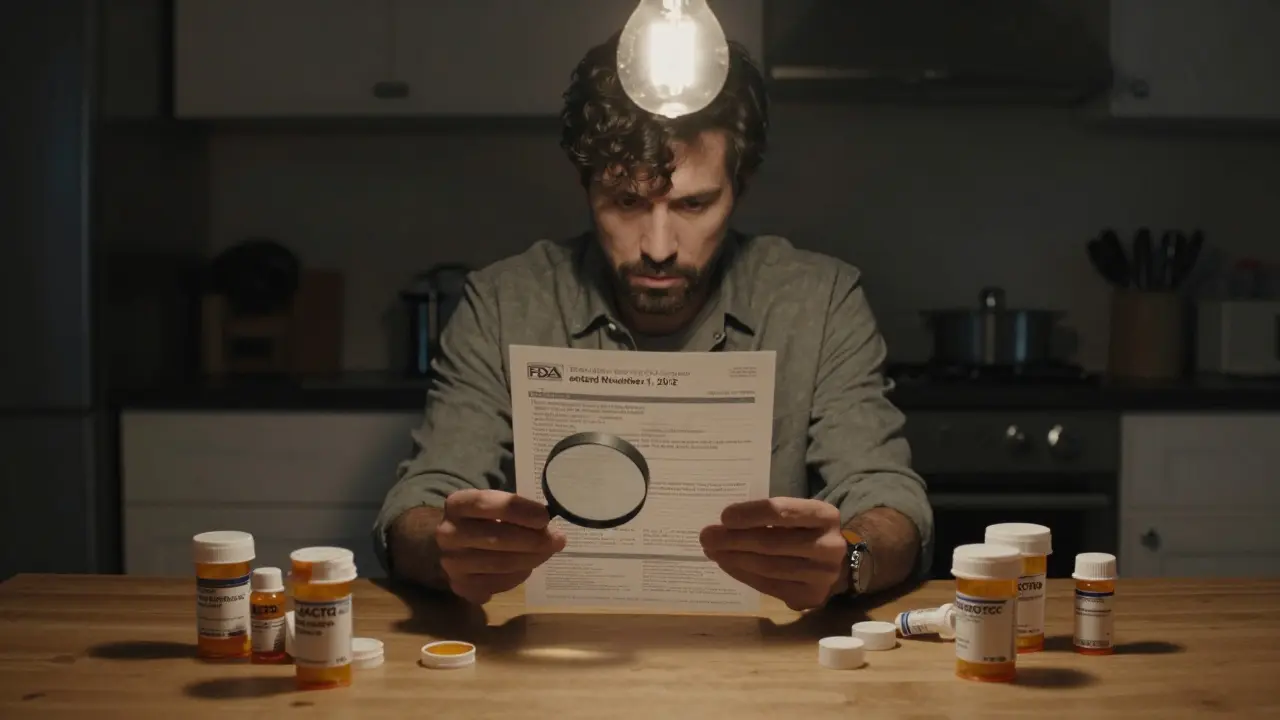
When you're trying to save money on prescription drugs, you might hear about authorized generics-but where do you find out which ones actually exist? It's not as simple as searching for a generic version in your pharmacy. The U.S. Food and Drug Administration (FDA) keeps the only official public list of these drugs, and knowing how to use it can make a real difference in what you pay.
What Exactly Are Authorized Generics?
An authorized generic is not the same as a regular generic drug. Regular generics are made by other companies after the brand-name drug’s patent expires. They go through a separate approval process called an Abbreviated New Drug Application (ANDA). Authorized generics, on the other hand, are made by the original brand manufacturer-or a partner they license-to sell under their own name without the brand label. That means the pill, capsule, or liquid is identical to the brand version: same active ingredient, same dosage, same manufacturer, same factory. The only difference? No brand name on the box.
For example, if you take ACTIQ lozenges (a brand-name painkiller), there’s an authorized generic version made by the same company, Cephalon, LLC. It’s chemically the same, but you pay less because it’s not marketed as the brand. The FDA calls them "the same drug" because they are literally the same product, just sold under a different label.
Why the FDA List Matters
The FDA is required by law-specifically Section 505(t) of the Federal Food, Drug, and Cosmetic Act-to publish and update a full list of authorized generics. This law came from the Medicare Prescription Drug, Improvement, and Modernization Act of 2003. The goal? To make the market more transparent. Without this list, it’s nearly impossible to know which generic versions are actually made by the brand company.
Why does that matter? Because brand manufacturers often release an authorized generic right when a regular generic enters the market. This can slow down price drops. If a brand company launches its own generic version, it can capture part of the market before other companies get a chance to compete. That’s why the FDA list is critical: it tells you who’s behind the lower-priced version you’re being offered.
Where to Find the Official FDA List
The FDA’s authorized generics list is available at fda.gov/drugs/abbreviated-new-drug-application-anda/fda-list-authorized-generic-drugs. This page explains what authorized generics are and links directly to the current list.
The list is updated quarterly, with the most recent version published on October 10, 2025. It’s a downloadable PDF file, about 1.09 MB in size. It includes:
- The brand name (trade name)
- The dosage form (tablet, capsule, gel, etc.)
- The strength (e.g., 10 mg, 500 mcg)
- The name of the NDA applicant (the company that owns the original drug approval)
- The date the authorized generic entered the market
For example, you’ll find entries like:
- ARTHROTEC (50 mg/200 mcg) - Pfizer Inc., entered November 1, 2012
- CLEOCIN T (1% gel and lotion) - Pfizer, entered June 11 and June 18, 2003
These are real products on the list. You can use this information to ask your pharmacist if they carry the authorized generic version.
What the List Doesn’t Tell You
Here’s the catch: the FDA list doesn’t tell you if the drug is still being sold today. The date listed is not the exact day the product hit shelves-it’s the period covered by the annual report the company submitted to the FDA. Companies are only required to report authorized generics once a year. If a product was discontinued in January 2025, it might still appear on the October 2025 list because the company never updated their report.
Pharmacists and industry analysts have reported this as a major problem. A 2023 survey by the National Community Pharmacists Association found that 68% of independent pharmacies found the list "somewhat or very difficult" to use for actual purchasing decisions. Why? Because 5 out of 8 products checked by one pharmacist in a 2024 forum post weren’t available from their wholesaler-even though the FDA list said they had been launched recently.
So while the list tells you what’s been authorized, it doesn’t tell you what’s in stock. That’s a big gap.
How to Use the List in Real Life
If you’re trying to find a cheaper version of your medication:
- Go to the FDA’s authorized generics page and download the latest PDF.
- Search for your brand-name drug. Use the exact name as it appears on your prescription.
- If you find a match, note the manufacturer name and strength.
- Call your pharmacy and ask: "Do you carry the authorized generic of [brand name]?
- Ask if it’s currently available and what the price is.
Many pharmacies don’t stock authorized generics unless they’re asked. Some wholesalers don’t even carry them. But if you know the name of the manufacturer from the FDA list, you can give your pharmacy a direct lead.
For even better accuracy, cross-reference with the National Drug Code (NDC) Directory. The NDC is a unique 11-digit number assigned to every drug product in the U.S. If you have the NDC from your brand prescription, you can search for matching NDCs in the authorized generic list. This helps confirm you’re looking at the exact same product.
How It Compares to Other FDA Resources
Many people confuse the authorized generics list with two other FDA databases:
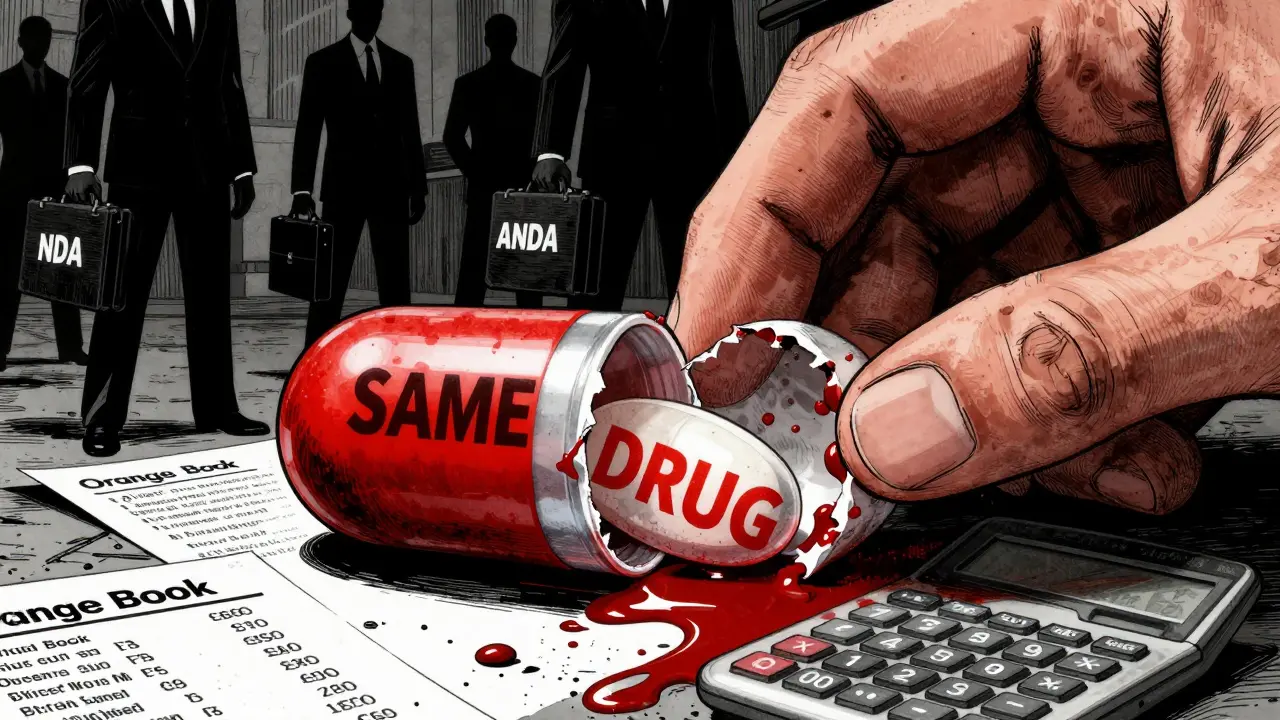
- Orange Book: This lists generic drugs approved through ANDAs and rates them for therapeutic equivalence. Authorized generics are NOT in the Orange Book because they’re not approved under ANDA-they’re sold under the original brand’s NDA.
- Drugs@FDA: This database has information on nearly all FDA-approved drugs, brand and generic. But it doesn’t tag or separate authorized generics. You’d have to manually search for every product and guess which ones are authorized.
The authorized generics list is the only place where these products are clearly identified and grouped together. If you’re looking for the cheapest version of a drug, this is your starting point.
Who’s Behind the Authorized Generics?
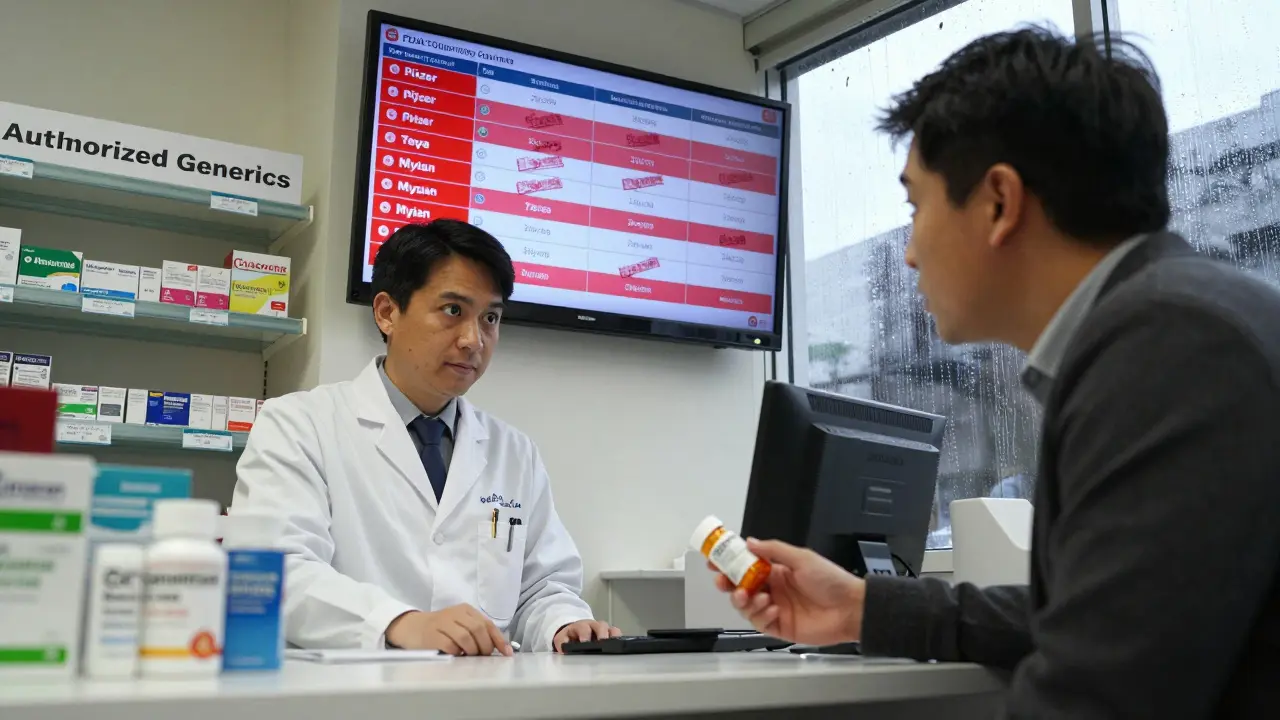
According to the FDA’s October 2025 list, the top three companies releasing authorized generics are:
- Pfizer: 47 products
- Teva: 32 products
- Mylan (now Viatris): 28 products
These are the same companies that make the original brand drugs. Their strategy is clear: when a generic competitor is about to launch, they release their own version at a lower price. This keeps customers from switching to another company’s generic. It’s smart business-but it also means the price drop might be smaller than you expect.
According to a 2023 study in Health Affairs, 854 authorized generics were launched between 2010 and 2019. That’s more than seven times the number seen in the previous decade. The trend shows companies are using this tool more often, especially for high-demand medications.
What’s Changing in 2026?
The FDA has announced plans to replace the PDF list with a searchable, dynamic database by Q2 2026. This update is long overdue. Right now, you have to download a new PDF every three months and scroll through hundreds of entries. A searchable tool would let you type in a drug name and instantly see if an authorized generic exists.
Industry experts have been pushing for this for years. At a 2024 FDA public meeting, 22 out of 28 stakeholders asked for better search tools. The new system will likely include real-time status updates-whether the product is still being sold, when it was discontinued, and maybe even pricing data.
Until then, the PDF remains the only official source.
Common Mistakes to Avoid
- Don’t assume the "Date Authorized Generic Entered Market" is the exact launch date. It’s based on when the company reported it to the FDA, not when it hit pharmacy shelves.
- Don’t confuse authorized generics with regular generics. They’re not listed in the Orange Book.
- Don’t rely on the list to tell you what’s in stock. Always check with your pharmacy or wholesaler.
- Don’t skip the NDC check. If you have the NDC from your brand prescription, use it to confirm you’re getting the exact match.
Bottom Line
The FDA’s authorized generics list is the most reliable source for identifying these hidden, lower-cost versions of brand-name drugs. It’s not perfect-far from it. But it’s the only place that tells you who made the drug and when it was introduced. For patients, pharmacists, and even insurers, it’s a vital tool for understanding drug pricing.
Use it. Cross-check it. Ask your pharmacist about it. And keep an eye out for the new searchable database coming in 2026. Until then, the PDF is your best bet.
Are authorized generics the same as regular generics?
No. Regular generics are made by different companies after a brand-name drug’s patent expires. They go through a separate FDA approval process (ANDA). Authorized generics are made by the original brand company or a licensed partner, sold without the brand name. They are chemically identical to the brand drug and are not listed in the Orange Book.
Why aren’t authorized generics listed in the Orange Book?
The Orange Book only includes drugs approved through the Abbreviated New Drug Application (ANDA) process. Authorized generics are marketed under the original brand’s New Drug Application (NDA), not an ANDA. That’s why they’re tracked separately by the FDA.
Can I trust the FDA list to tell me if a drug is still available?
No. The FDA list shows when a product was reported, not whether it’s still being sold. Companies only report annually, and many don’t update their reports when products are discontinued. Always verify availability with your pharmacy or wholesaler.
How often is the FDA authorized generics list updated?
The list is updated quarterly, as required by law. The most recent version was published on October 10, 2025. The FDA plans to replace the PDF with a searchable database in Q2 2026.
Which companies release the most authorized generics?
According to the FDA’s October 2025 list, Pfizer leads with 47 authorized generics, followed by Teva with 32, and Mylan (Viatris) with 28. These are the same companies that manufacture the original brand-name drugs.



14 Comments