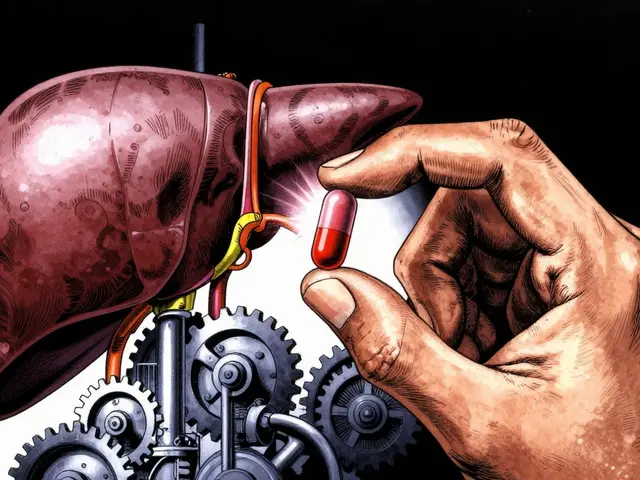
Shipping a defective product isn't just a headache-it's a financial disaster. When a batch of electronics fails in the field or a pharmaceutical shipment is recalled, the cost isn't just the lost materials; it's the ruined reputation. According to a 2022 ASQ report, companies that move beyond basic checks to comprehensive quality control testing is a systematic process of verifying that products meet specified requirements through structured inspection, measurement, and analysis reduced their scrap and rework costs by an average of 32.7%.
Most people think of quality control as a final check at the end of the line. In reality, that's the most expensive way to do it. If you find a mistake at the end, you've already wasted the labor and energy of every single step before it. Modern manufacturing has shifted from catching mistakes to preventing them entirely, a philosophy rooted in the work of W. Edwards Deming. By integrating checks throughout the production cycle, you stop a small error from becoming a massive failure.
Quick Summary: Key Takeaways
- Proactive over Reactive: Focus on preventing defects during the process rather than just inspecting the final product.
- Standardization: Use global frameworks like ISO 9001:2015 to ensure consistency and risk-based thinking.
- Data-Driven Decisions: Use statistical tools (like X-bar charts) to identify process drift before it results in defects.
- Closed-Loop Systems: Every failure must trigger a corrective action (CAPA) to ensure the same mistake never happens twice.
Setting the Ground Rules: Defining Quality Standards
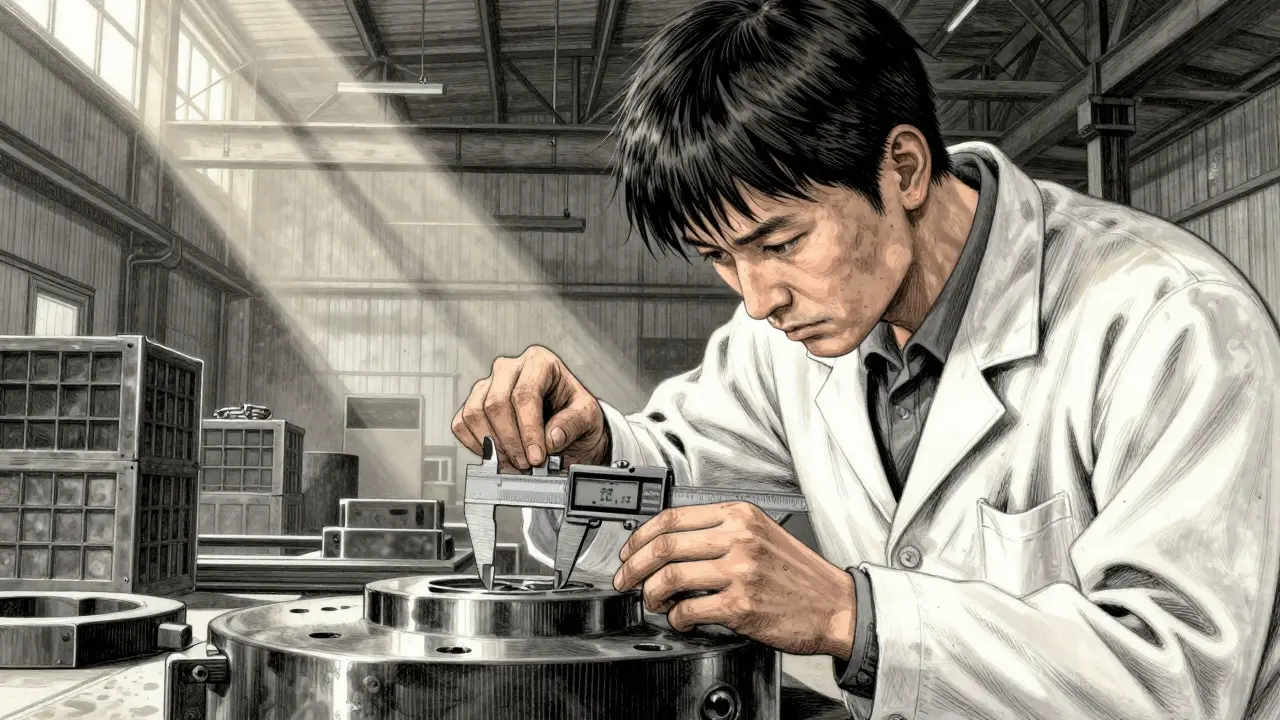
You can't measure what you haven't defined. The first step in any QA process is establishing concrete, measurable metrics. Vague terms like "high quality" or "smooth finish" don't work on a factory floor. You need numbers. For example, in precision machining, a part might need a dimensional accuracy tolerance of ±0.005mm. If it's outside that window, it's a fail.
Beyond dimensions, you have to define aesthetic and chemical standards. For surface finishes, professionals use the CIELAB scale to measure color consistency, usually requiring a ΔE value of less than 2.0 for a match to be acceptable. Whether it's the surface roughness (Ra values) of a metal part or the tensile strength of a plastic component, these benchmarks form the "source of truth" for your inspectors.
The First Line of Defense: Material Inspection
Quality starts before the machines even turn on. If your raw materials are flawed, your final product will be too, regardless of how perfect your assembly process is. This stage involves verifying that incoming components meet the agreed-upon specifications from the supplier.
This isn't just about glancing at a shipment. It involves rigorous physical testing. For electronics, this might mean checking resistance tolerances within ±10%. In pharmaceutical manufacturing, this stage is critical and often follows FDA 21 CFR Part 211 compliance, ensuring that every raw ingredient is chemically pure before it enters the production stream. If the materials fail here, they are rejected immediately, preventing the waste of downstream production time.
Keeping it on Track: In-Process Quality Control (IPQC)
Once production begins, you need a way to monitor the "health" of the process. This is where In-Process Quality Control (IPQC) comes in. Instead of checking every single item-which is often impossible or too slow-manufacturers use random sampling at critical control points.
To do this right, most companies use AQL (Acceptable Quality Level) standards. For instance, the MIL-STD-105E standard might set a limit of 0.65% for major defects. If a sample exceeds this, the entire lot is paused for investigation. This is where Statistical Process Control (SPC) tools, like X-bar and R charts, become invaluable. They allow managers to see if a process is "drifting" toward a limit, allowing them to calibrate a machine before it actually starts producing scrap.
| Industry | Primary Standard | Critical Metric Example | Inspection Frequency |
|---|---|---|---|
| Automotive | ISO/TS 16949 | Mechanical Tolerance | High / Continuous |
| Pharmaceuticals | FDA 21 CFR | Chemical Purity | 100% for Critical Steps |
| Electronics | IPC-A-610 | Solder Joint Integrity | AQL Sampling |
| Medical Devices | ISO 13485 | Biocompatibility | 100% Final Inspection |
The Final Gate: FQC and OQC
The last stages are Final Quality Control (FQC) and Outgoing Quality Control (OQC). FQC happens after the product is fully assembled but before it is packaged. This is the last chance to catch a functional error. OQC, on the other hand, focuses on the packaging, labeling, and shipping readiness. Have the right manuals been included? Is the shipping label correct? Is the pallet secure?
For high-risk items, such as cardiac stents or aircraft bolts, 100% inspection is non-negotiable. For less critical items, companies use the ANSI/ASQ Z1.4-2013 sampling plan to decide how many units to test. The goal here is to ensure that the customer's experience matches the company's quality promise. A mistake at this stage is a failure of all previous steps, making a root cause analysis mandatory.
Closing the Loop: Analysis and Corrective Action
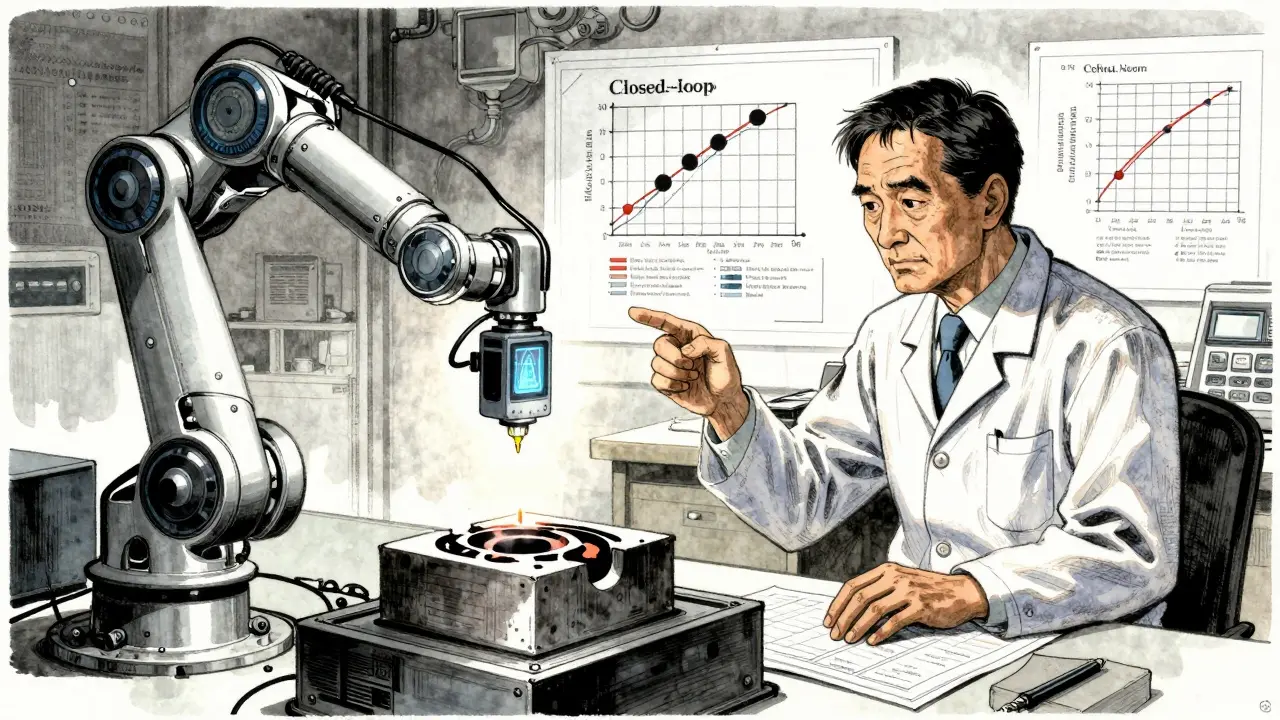
Testing is useless if you don't do anything with the data. When a defect is found, the process shouldn't just be "fix the part and move on." You need a CAPA (Corrective and Preventive Action) procedure. This involves a deep dive into why the defect happened-was it a worn-out tool, a tired operator, or a bad batch of steel?
Modern plants are now using AI-powered visual inspection to speed this up. McKinsey data shows that companies using real-time automated probing reduced their defect escape rates by 63%. However, technology is only half the battle. You still need trained humans to interpret the data. A high capability index (Cpk > 1.33) tells you the process is capable, but it doesn't tell you why a sudden spike in defects occurred on a Tuesday afternoon. That requires operator expertise and boots-on-the-ground investigation.
Common Pitfalls in Manufacturing QA
Many companies struggle with "inspection fatigue," where operators stop paying attention to repetitive checks. This is why 68% of facilities reported inconsistent operator adherence in a 2022 ASQ survey. To fight this, the best manufacturers implement cross-training and rotation, ensuring no one person is staring at the same weld for eight hours straight.
Another common mistake is neglecting calibration. If your calipers aren't calibrated, your data is a lie. This is a frequent cause of FDA warning letters. Establishing a strict calibration schedule-where every piece of measurement equipment is verified against a known standard-is the only way to ensure that your "pass" actually means a pass.
What is the difference between Quality Assurance and Quality Control?
Quality Assurance (QA) is process-oriented; it focuses on preventing defects by designing a robust system. Quality Control (QC) is product-oriented; it focuses on identifying defects in the actual items produced. In short, QA makes sure the process is right, and QC makes sure the product is right.
What is AQL and why is it used in manufacturing?
AQL stands for Acceptable Quality Level. It is a statistical sampling standard that defines the maximum number of defects that can be considered acceptable in a batch. It allows manufacturers to verify quality without having to test every single unit, which would be too costly and time-consuming.
How does ISO 9001:2015 impact quality control testing?
ISO 9001:2015 introduces "risk-based thinking." Instead of just following a checklist, companies must identify where the highest risks of failure exist in their process and concentrate their testing and resources on those specific areas to prevent failures before they happen.
What is a Cpk index and what does a value of 1.33 mean?
Cpk is a process capability index that measures how close a process is running to its specification limits relative to the natural variability of the process. A Cpk of 1.33 is generally considered the industry benchmark for a "capable" process, meaning the process is consistently producing parts within the required tolerances.
Why is CAPA important in a QA framework?
CAPA (Corrective and Preventive Action) ensures that when a defect is found, the root cause is identified and eliminated. Without CAPA, you are simply filtering out bad parts; with CAPA, you are fixing the machine or process so the bad parts are never created in the first place.
Next Steps for Improving Your QA Process
If you're just starting, don't try to automate everything on day one. Begin by documenting your standards. Write down exactly what a "perfect" part looks like and what the tolerances are. Once you have your standards, implement a simple sampling plan based on AQL to get a baseline of your current defect rate.
For established plants, the next step is moving toward real-time data. Integrating IoT sensors into your machines allows you to monitor temperature, vibration, and pressure in real-time. This allows you to spot a trend-like a tool heating up-and stop the line before a single defective part is produced. Transitioning from "inspecting quality in" to "building quality in" is the only way to stay competitive in today's market.