Achilles Tendon: Causes, Injuries, and How Medications Affect Recovery
When you think of the Achilles tendon, the thick band of tissue connecting your calf muscle to your heel bone. It's what lets you walk, run, and push off the ground. Also known as the calcaneal tendon, it’s one of the strongest tendons in your body—but also one of the most likely to tear or inflame, especially if you're active, older, or taking certain meds.
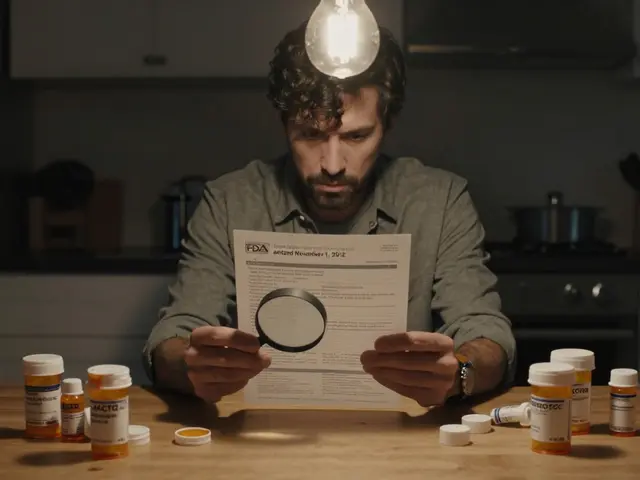
Many people don’t realize that common drugs can quietly weaken this tendon. Achilles tendon ruptures have been linked to fluoroquinolone antibiotics like ciprofloxacin and levofloxacin, which interfere with collagen repair. Steroids, both oral and injected, can do the same. Even some statins for cholesterol have been tied to increased tendon pain. If you’re on any of these and suddenly feel stiffness or sharp pain behind your ankle, it’s not just "aging"—it could be your meds. The FDA has issued warnings about this, and studies show the risk goes up within days of starting the drug.
Recovery isn’t just about rest. Physical therapy, proper loading, and sometimes surgery are needed. But if you’re taking painkillers like NSAIDs long-term to manage the ache, you might be slowing healing. These drugs reduce inflammation, yes—but inflammation is part of the repair process. And if you’re using supplements like collagen or vitamin C, you need to know which ones actually help. Some don’t. Others might interact with your prescriptions. There’s also a connection between poor blood flow, diabetes, and tendon health. It’s not just about stretching or icing—it’s about understanding how your whole body, and your medicine list, plays into it.
What you’ll find below are real posts from people who’ve been there: how generic drugs affect recovery, why some antibiotics are riskier than others, how to tell if your pain is more than soreness, and what treatments actually work without making things worse. No fluff. Just what you need to know before your next doctor visit or physical therapy session.

Fluoroquinolones and Tendon Rupture: What You Need to Know About the Risk
Fluoroquinolone antibiotics like ciprofloxacin and levofloxacin can cause sudden tendon rupture, especially in older adults and those taking steroids. Know the signs, risks, and safer alternatives.
read more