Pill Splitting: What You Need to Know Before You Cut Your Medication
When you pill splitting, the practice of cutting a tablet in half or into quarters to adjust dosage. Also known as tablet splitting, it's often done to save money, match a lower prescribed dose, or make swallowing easier. But this simple act isn't harmless—it can change how your body absorbs medicine, mess up controlled-release timing, or even expose you to unsafe doses if done wrong.
Not all pills are made to be split. extended-release tablets, medications designed to release slowly over hours lose their purpose when cut—suddenly, you get a full dose all at once. Same goes for capsules, which often contain tiny beads or powder that can’t be evenly divided. Even pills that look easy to split—like some blood pressure or cholesterol meds—can have uneven drug distribution if they’re not scored or made for splitting. The FDA doesn’t approve every pill for splitting, and manufacturers don’t always warn you. That’s why checking with your pharmacist before you cut anything matters more than you think.
Using a proper pill cutter, a small, inexpensive tool designed to make clean, accurate cuts makes a big difference. Kitchen knives, scissors, or biting pills in half? Those methods are risky. A good pill cutter holds the tablet steady and gives you a straight line, reducing the chance of uneven halves. But even then, you’re still guessing. A pill that’s supposed to be 20mg might end up being 18mg one time and 22mg the next. For drugs with narrow safety margins—like blood thinners, seizure meds, or thyroid pills—that variation can be dangerous. Studies show up to 30% of split pills have dose errors beyond what’s considered safe. And if you’re splitting a pill that’s sensitive to moisture or light, cutting it exposes the inner layers to air, which can degrade the active ingredient.
Some people split pills because their insurance won’t cover the lower dose, or they’re trying to stretch a prescription. It’s understandable. But there are better ways. Ask your doctor if a lower-strength tablet is available. Many drugs come in 5mg, 10mg, or 25mg versions that cost almost the same as splitting a higher dose. Sometimes, switching to a different brand or generic version opens up more dosage options. And if cost is the issue, ask about patient assistance programs—many drugmakers offer them.
There’s no one-size-fits-all answer to pill splitting. For some, it’s a harmless habit. For others, it’s a quiet risk. The key is knowing which pills are safe to split, how to do it right, and when to avoid it altogether. Below, you’ll find real-world examples from people who’ve dealt with this exact issue—whether it’s managing high blood pressure with split tablets, avoiding side effects by adjusting doses, or learning why some meds just shouldn’t be cut. These aren’t theoretical guides. They’re lessons from actual cases, mistakes made, and solutions found.
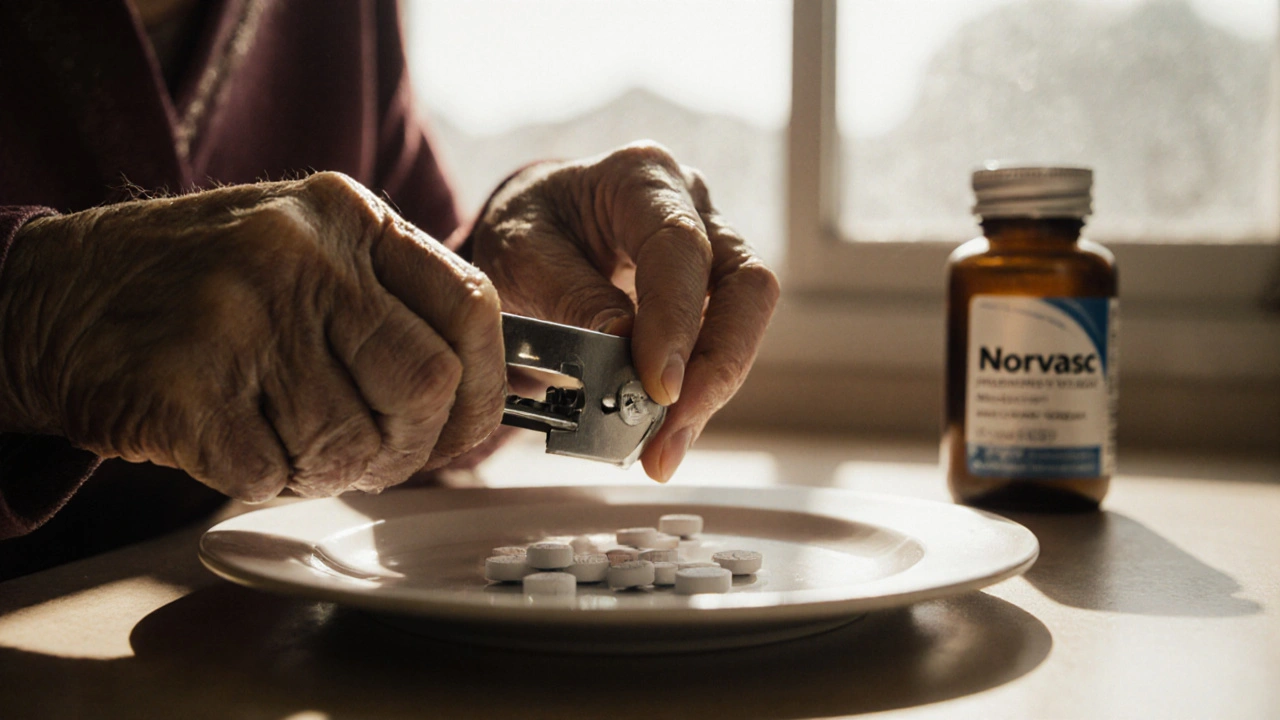
Pill Splitting Safety: Which Medications Are Safe to Split
Not all pills can be safely split. Learn which medications are safe to split, which ones are dangerous, and how to do it correctly to avoid overdose or reduced effectiveness.
read more