
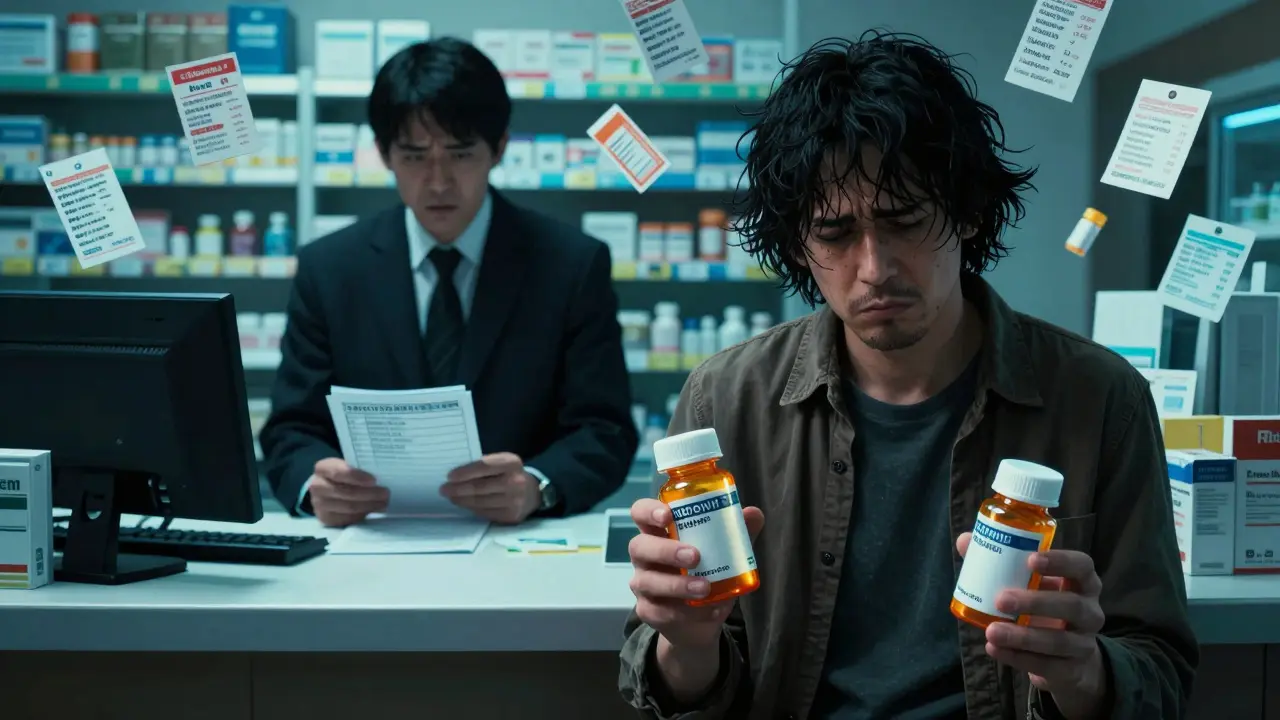
Getting your prescription filled shouldn’t feel like a financial gamble. Yet in the U.S., the same pill can cost $5 at one pharmacy and $150 at another-even with insurance. The confusion comes from a tangled system of coupons, generics, and prior authorizations that shape what you pay at the counter. Understanding how these pieces fit together can save you hundreds, sometimes thousands, a year.
Why Your Prescription Costs So Much
The price tag on your medication isn’t just what the drugmaker charges. It’s layered with markups from pharmacy benefit managers (PBMs), insurance plans, and pharmacy networks. A 2025 Oliver Wyman report found Americans pay two to three times more for branded drugs than people in other developed countries. That gap exists because U.S. drug pricing has no real cap. Manufacturers set list prices, PBMs negotiate secret rebates behind the scenes, and insurers design plans that shift costs to patients in unpredictable ways.Take a common medication like insulin. The list price might be $300 a vial, but your insurer pays $80 after rebates. You, the patient, get stuck with a $50 copay because your plan’s structure doesn’t reflect the real net price. That’s why two people with the same insurance can pay wildly different amounts for the same drug-it depends on which pharmacy they use and how the PBM has structured the deal.
Generic Drugs: The Hidden Savings You’re Not Using
Generic drugs are chemically identical to brand-name versions but cost 80% to 85% less on average. Yet many patients stick with the brand because they assume it’s better-or because their doctor didn’t mention the generic. That’s a mistake.According to the FDA, generics must meet the same safety, strength, and quality standards as brand-name drugs. They’re not “cheap versions.” They’re the same medicine, just without the marketing budget. For example, metformin (generic for Glucophage) costs about $4 for a 30-day supply. The brand version? Often over $100. Same active ingredient. Same results.
Even when a generic isn’t available yet, biosimilars-similar to generics but for complex biologic drugs-are starting to enter the market. Drugs like Humira now have biosimilar alternatives that can cut costs by 50% or more. Ask your pharmacist or doctor: “Is there a generic or biosimilar for this?” It’s one of the easiest ways to slash your bill.
Coupons and Discount Cards: When They Help-and When They Don’t
Pharmaceutical companies offer coupons and savings cards that promise big discounts. On the surface, they look like a gift. But they’re designed to protect brand-name drug profits, not help you save long-term.Here’s how they work: A coupon might lower your copay from $75 to $10 for a brand-name drug. Sounds great, right? But that $10 isn’t going toward your deductible or out-of-pocket maximum. It’s a marketing tool. Once the coupon expires, you’re back to paying full price. Worse, some insurers won’t count coupon payments toward your out-of-pocket cap, meaning you’ll stay in the coverage gap longer.
There’s one exception: if you’re uninsured or underinsured, these coupons can be lifesavers. Mark Cuban’s Cost-Plus Drugs company, for example, sells generics at cost plus a $5 fee-no coupons needed. For $10, you can get 30 pills of lisinopril, a blood pressure drug, without insurance. That’s cheaper than most coupons.
Bottom line: Use coupons only if you can’t get the generic. Always compare prices with GoodRx, SingleCare, or your pharmacy’s discount program. Sometimes, paying cash without a coupon is cheaper than using it.

Prior Authorization: The Bureaucratic Hurdle That Delays Care
Prior authorization is when your insurance requires approval before covering a drug. It’s meant to prevent unnecessary or expensive prescriptions. But in practice, it often delays treatment and adds stress.Your doctor submits paperwork. The insurer takes days-or weeks-to respond. Meanwhile, you’re out of medication. Some insurers require you to try cheaper alternatives first, even if those drugs didn’t work for you before. This is called “step therapy.”
According to a 2025 IQVIA report, nearly 60% of patients with chronic conditions face at least one prior authorization denial per year. And when they’re denied, 20% stop taking their medication altogether. That’s not just inconvenient-it’s dangerous.
There are ways to fight back. Ask your doctor to submit a letter of medical necessity. Include lab results, previous treatment failures, and guidelines from professional associations. If you’re denied, appeal immediately. Most insurers have a fast-track process for urgent cases. And if your drug is on Medicare’s newly negotiated list (starting January 2026), prior auth requirements may be reduced or eliminated for those specific medications.
Medicare’s Big Changes in 2025 and Beyond
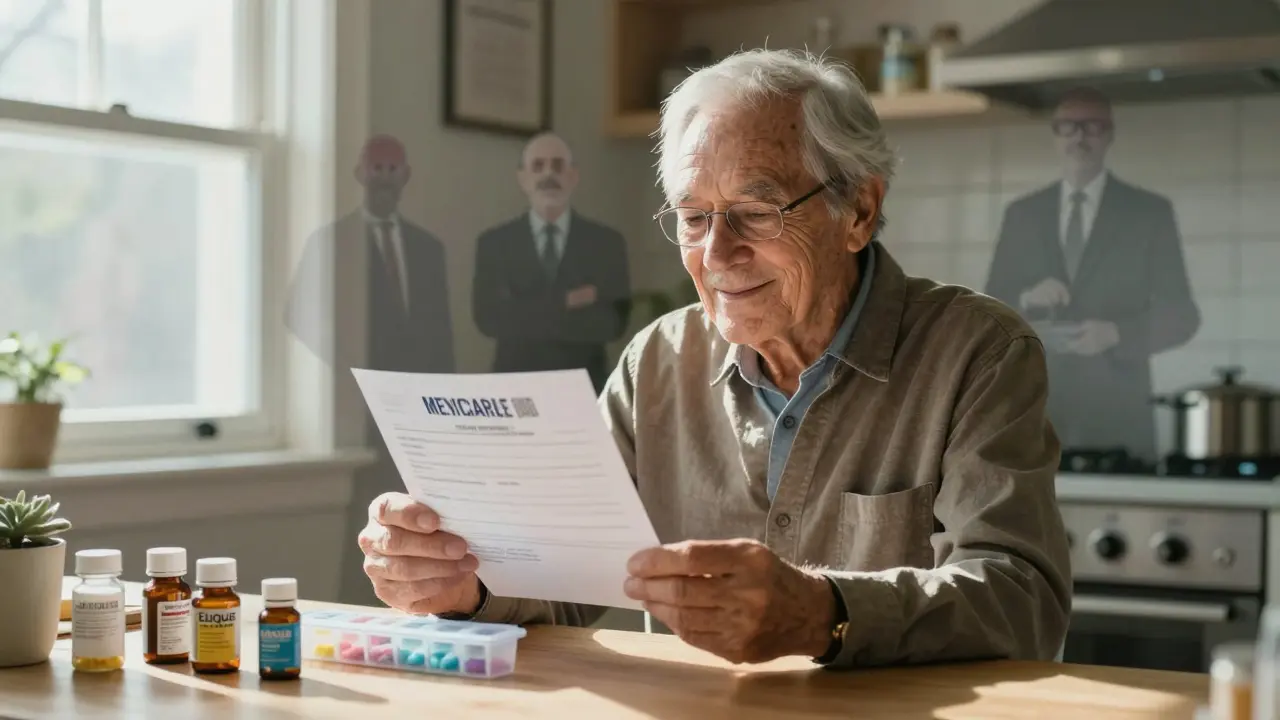
If you’re on Medicare Part D, 2025 is a turning point. For the first time, there’s a $2,000 annual out-of-pocket cap on prescription drugs. The infamous “donut hole” coverage gap is gone. And starting in January 2026, the first 10 high-cost drugs will have negotiated prices set by Medicare.That means seniors on drugs like Eliquis, Jardiance, or Xarelto could save an average of $400 per year. The Congressional Budget Office estimates this program could save Medicare over $6 billion in 2026 alone. And by 2029, Medicare will be negotiating up to 60 drugs annually.
These changes don’t just help Medicare patients. They’re setting a new standard. States like Minnesota are already using Medicare’s negotiated prices as a benchmark for their own programs. Private insurers are watching closely. The pressure is building for the entire system to follow suit.
What You Can Do Today
You don’t have to wait for policy changes to save money. Here’s what works right now:- Always ask for the generic. If your doctor says no, ask why. Is it based on science-or habit?
- Use GoodRx or SingleCare to compare cash prices. Don’t assume insurance is cheaper.
- Ask your pharmacy if they have a discount program. Many independent pharmacies offer their own low-cost lists.
- If you’re denied prior authorization, request a formal appeal. Document everything.
- Check if your drug is on the 2026 Medicare negotiation list. If so, your costs may drop soon.
- Consider mail-order pharmacies for maintenance meds. They often have lower copays.
One patient in Ohio saved $1,200 a year by switching from a brand-name statin to its generic, using a pharmacy discount card, and switching from a local pharmacy to a mail-order service. It took three phone calls and a little persistence. But it worked.
The Bigger Picture
Medication costs aren’t just about individual choices. They’re about a broken system. But change is happening. The Inflation Reduction Act, state affordability boards, and new pricing models are forcing transparency. The goal isn’t to eliminate profits-it’s to stop patients from paying the price for corporate inefficiency.Every time you ask for a generic, compare prices, or appeal a denial, you’re pushing the system toward fairness. You’re not just saving money. You’re helping fix a broken part of healthcare.
Are generic drugs really as effective as brand-name drugs?
Yes. The FDA requires generic drugs to have the same active ingredient, strength, dosage form, and route of administration as the brand-name version. They must also meet the same strict standards for purity, stability, and bioavailability. Studies consistently show generics work just as well. The only differences are in inactive ingredients (like fillers or dyes), which rarely affect how the drug works.
Can I use a coupon and my insurance at the same time?
Usually not. Most insurance plans don’t allow you to combine coupons with your coverage. When you use a coupon, you’re paying cash, and that payment often doesn’t count toward your deductible or out-of-pocket maximum. In some cases, using a coupon can actually make your overall costs higher over time. Always check with your insurer or pharmacist before using a coupon with insurance.
Why does my drug cost more at one pharmacy than another?
Pharmacies negotiate different prices with pharmacy benefit managers (PBMs). Some pharmacies get better deals through bulk contracts or rebate agreements. Independent pharmacies often have lower cash prices than big chains. Also, some PBMs steer patients to their own affiliated pharmacies, which can inflate prices elsewhere. Always compare prices using tools like GoodRx before filling your prescription.
What should I do if my prior authorization is denied?
Don’t accept the denial as final. Ask your doctor to submit a letter of medical necessity, including your medical history and why alternatives won’t work. File a formal appeal with your insurer-most have a 60-day window. If your condition is urgent, request an expedited review. You can also contact your state’s insurance commissioner’s office for help. Many denials are overturned on appeal.
Will Medicare’s new drug price negotiations affect me if I’m not on Medicare?
Potentially, yes. When Medicare negotiates lower prices, manufacturers often extend those prices to private insurers to avoid losing market share. States are already using Medicare’s negotiated prices as benchmarks. Over time, this could push down prices across the board, even for people with private insurance. The ripple effect is real.
How do I find out if my drug is part of Medicare’s 2026 negotiation list?
The Centers for Medicare & Medicaid Services (CMS) published the first 10 negotiated drugs in August 2024. These include popular medications like Eliquis, Jardiance, and Xarelto. You can search the full list on the CMS website or ask your pharmacist. Starting in 2026, more drugs will be added each year. Even if you’re not on Medicare, knowing which drugs are being negotiated helps you anticipate future price drops.
Next Steps: What to Do Right Now
1. **Check your top 3 prescriptions.** Use GoodRx to compare cash prices vs. your insurance copay. You might be paying more than you need to. 2. **Talk to your pharmacist.** Ask: “Is there a generic or biosimilar for this? Can you check if a discount program is cheaper?” 3. **Review your prior authorizations.** If you’ve been denied a drug in the past, call your insurer and ask if the decision was overturned. Many are being reversed as policies change. 4. **Sign up for Medicare updates if you’re eligible.** The changes in 2025 and 2026 will directly impact your costs. 5. **Join a patient advocacy group.** Organizations like Patients For Affordable Drugs offer free tools and guidance to help you navigate the system.Medication costs are complicated, but they’re not impossible to manage. The tools are there. The knowledge is growing. And with each step you take-asking for a generic, comparing prices, appealing a denial-you’re not just saving money. You’re taking back control.




10 Comments
Bro, I saved $800 last year just by switching my statin to generic and using GoodRx. No insurance needed. My pharmacist laughed and said, 'You're not supposed to know this.' Turns out, cash is king.
Generics work. End of story.
I'm a pharmacist in Mumbai and we see this every day. People pay 10x for brand names because they think it's stronger. It's not. Same pills, same results. Ask your doctor for the generic name-it's not hard.
My mom was on insulin for 12 years and paid $450/month until she found a discount program through her local clinic. Now it’s $35. She cried. Not from sadness-from relief. If you’re struggling, don’t suffer in silence. There are people who can help. You’re not alone.
Just wanted to say-this post made my day. I’ve been telling my friends to check GoodRx for years and they think I’m crazy. But now? They’re all doing it. Small wins add up. Keep spreading the word!
Oh great-another 'Americans are being ripped off' sob story. You know what? Other countries have rationing, waiting lists, and government-controlled prices. We have choice-and yes, it’s expensive. But it’s also innovative. Stop whining and get a better job.
Interesting point about biosimilars-most people don’t realize they’re not just 'generic biologics.' The manufacturing complexity is immense, yet they still undercut Humira by 50%. That’s not luck-it’s science. The FDA’s approval process for these is rigorous. If your doctor dismisses them, ask for the clinical trial data. It’s public.
I’ve seen patients on Humira switch to adalimumab-adbm and report zero difference in efficacy. One even saved $18,000 annually. That’s not a myth. That’s a spreadsheet.
And yes, coupons can be traps. I once used one for a brand-name antidepressant for six months. When it expired, my copay jumped to $120. I switched to the generic the next day. My mood didn’t change. My bank account did.
Also, mail-order pharmacies? Huge underrated tool. I refill my blood pressure meds every 90 days for $15. Local pharmacy? $78. The math is obvious.
And prior auth denials? I’ve filed 14 appeals in two years. Won 12. The key? Attach peer-reviewed guidelines. Not opinions. Not anecdotes. Actual studies. Insurers hate losing.
One thing I wish more people knew: Medicare’s price negotiations don’t just help seniors. They force manufacturers to lower prices everywhere. Why? Because if they charge more to private insurers, they lose market share. It’s economics. Not magic.
Bottom line: Knowledge is power. And power is cheaper pills.
I had to appeal a prior auth denial for my daughter’s epilepsy med last year. They said 'try Lamictal first.' But she’d already tried it-three times-and had seizures every week. My doctor wrote a 12-page letter with EEGs, hospital records, and a letter from the Epilepsy Foundation. We got approved in 48 hours. I screamed in the pharmacy parking lot. It was the most relief I’ve ever felt.
Don’t let them gaslight you. You know your body. You know your kid’s body. Fight. Always fight.
While the systemic issues surrounding pharmaceutical pricing are indeed complex, it is imperative to recognize that individual agency, when exercised with diligence and informed advocacy, can yield substantial financial relief. The strategies outlined herein-namely, the utilization of generic alternatives, comparative price-checking tools, and formal appeals processes-are not merely advisable; they are clinically and economically sound practices that should be routinely integrated into patient care workflows.
Moreover, the precedent set by Medicare’s drug price negotiations represents a significant paradigm shift in U.S. healthcare policy. It is not merely a regulatory adjustment, but a moral recalibration of the relationship between public funding and pharmaceutical market dynamics.
As healthcare professionals and citizens, we bear a collective responsibility to ensure that therapeutic access is not contingent upon socioeconomic status. The tools exist. The data is available. The time for passive acceptance has passed.
The data presented here is accurate and well-sourced. The disparity between U.S. drug prices and those in peer nations is well-documented by OECD and WHO. The role of PBMs in obscuring true net prices is a critical failure of transparency. Patients should be empowered with this information.
However, the suggestion that individual action alone can resolve systemic inequities is misleading. While using GoodRx or appealing prior authorizations helps individuals, it does not address the root causes: lack of price regulation, patent abuse, and consolidation in pharmaceutical distribution.
Advocacy must extend beyond the pharmacy counter. Contact your representatives. Support legislation that caps insulin prices. Demand transparency from PBMs. Systemic change requires systemic pressure.