
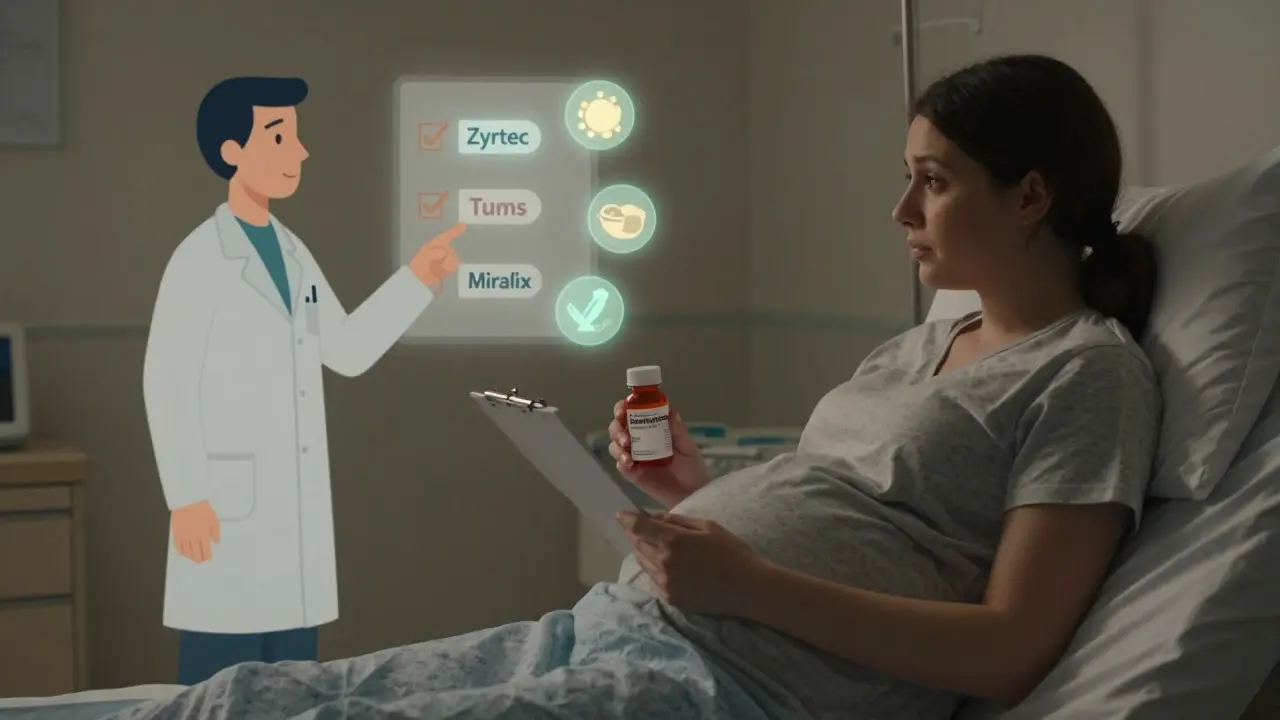
When you're pregnant, even a simple headache or runny nose can feel like a crisis. You don’t want to risk your baby’s health, but you also can’t ignore how awful you feel. The truth is, medications safe during pregnancy do exist - but knowing which ones are truly safe isn’t as simple as checking a label. Many over-the-counter drugs you’ve used for years might not be safe after you find out you’re pregnant. And some prescriptions you were taking before conception may need to be switched. The good news? There’s clear, updated guidance from leading medical organizations, backed by real data from over 100,000 pregnancy exposures tracked since 1985.
What’s Actually Safe for Allergies and Colds?
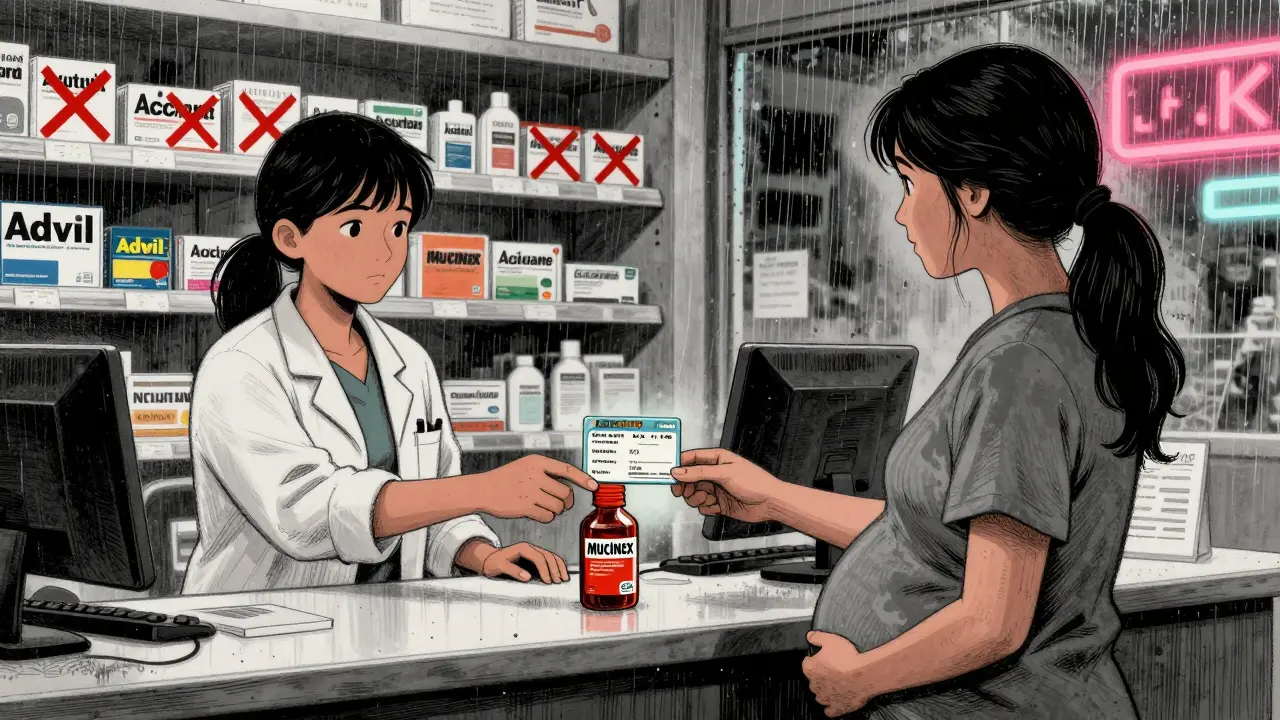
Allergies and colds are among the most common reasons pregnant people reach for medication. The good part? Several antihistamines have strong safety records. Cetirizine (Zyrtec) and loratadine (Claritin), both at standard 10mg daily doses, are recommended by nearly every major obstetric clinic in the U.S., including the University of Michigan, Cleveland Clinic, and Atlanta Women’s OBGYN. These are non-drowsy, well-studied, and have been used safely by hundreds of thousands of pregnant people over decades. Fexofenadine (Allegra) at 180mg daily is also considered safe, but only if you use the non-drowsy version.For nasal congestion, saline sprays are the gold standard - no chemicals, no risks, just relief. If you need something stronger, guaifenesin (Mucinex) is generally okay, but only the plain version. Avoid multi-symptom cold formulas. They often contain pseudoephedrine (Sudafed), which is controversial. Some providers say it’s okay after the first trimester; others say avoid it entirely. Why the split? Because pseudoephedrine can raise blood pressure and may reduce blood flow to the placenta. If you do use it, never take it if you have high blood pressure, and never use it in the first trimester. Also, in some states like Georgia, you can’t even buy it off the shelf - you need to ask the pharmacist and show ID.
Pain Relief: The Only Clear Winner Is Acetaminophen
For headaches, back pain, or fever, acetaminophen (Tylenol) is the only painkiller consistently labeled safe throughout pregnancy. But here’s the catch: you can’t just take it freely. The maximum safe dose is 3,000mg per day - that’s six 500mg tablets. Some products like Tylenol PM combine acetaminophen with diphenhydramine (an antihistamine that causes drowsiness). Don’t exceed six caplets in 24 hours, or you’ll hit the acetaminophen limit too fast.Stay away from ibuprofen (Advil), naproxen (Aleve), and aspirin. These are NSAIDs, and they’re not just risky - they can cause serious problems in the second half of pregnancy. After 20 weeks, they can lead to reduced amniotic fluid, kidney issues in the baby, and even premature closure of a critical blood vessel in the fetal heart. Even a single dose after 20 weeks can be dangerous. If you’re used to taking Advil for cramps, switch to acetaminophen now - don’t wait until you’re 24 weeks along to realize the difference.
Heartburn and Constipation: Simple Fixes That Work
Heartburn is almost universal in pregnancy. Calcium carbonate (Tums) is the most trusted remedy - it’s safe, effective, and even gives you extra calcium. You can take it as needed, but don’t go over 10 tablets a day unless your provider says so. Too much calcium can cause constipation or kidney stones. If Tums aren’t enough, famotidine (Pepcid) is a safe, low-dose option. The max is 20mg twice daily. It’s an H2 blocker, not a PPI, so it’s gentler and better studied in pregnancy.Constipation is another big issue. Polyethylene glycol (Miralax) is the top-recommended laxative. It’s not absorbed into your bloodstream, so it doesn’t reach the baby. The standard dose is 17g mixed in water once a day. Don’t use stimulant laxatives like senna or bisacodyl unless your doctor tells you to - they can cause cramping and dehydration. Drink plenty of water, eat fiber-rich foods, and move your body. Sometimes, the simplest solutions are the most effective.
Nausea and Vomiting: A Proven Combo That Works
Morning sickness isn’t just “nausea” - for some, it’s vomiting 10 times a day. The FDA-approved treatment for this is a combo of vitamin B6 (pyridoxine) and doxylamine succinate. That’s exactly what’s in Diclegis, the prescription version. But you don’t need a prescription. You can buy vitamin B6 (25mg) and Unisom SleepTabs (25mg doxylamine) over the counter. Take one B6 tablet three times a day, and one Unisom at bedtime. If nausea hits during the day, you can add a second Unisom. Most people see major improvement within a few days. One user on BabyCenter said it cut her vomiting from 10 times a day to just one or two. That’s life-changing.Don’t rely on ginger or peppermint tea alone if your nausea is severe. They help mildly, but they’re not enough for clinical vomiting. And avoid herbal remedies unless your provider approves them. Many “natural” products aren’t tested for pregnancy safety - and some can be harmful.
What About Antidepressants and Other Prescriptions?
This is where things get tricky. If you were taking an antidepressant before pregnancy, stopping it suddenly can be more dangerous than continuing it. Sertraline (Zoloft) and citalopram (Celexa) are the most studied SSRIs in pregnancy and are generally considered safe. ACOG and the CDC both recommend continuing them if they’re helping your mental health. The risks of untreated depression - preterm birth, low birth weight, poor bonding - are well-documented.But here’s the catch: in late pregnancy, some babies on SSRIs can develop temporary symptoms like jitteriness, feeding trouble, or mild breathing issues after birth. This is called neonatal adaptation syndrome. It’s not dangerous long-term, but it can mean a short hospital stay. Your provider will monitor you closely. If you’re on a different antidepressant, ask if it’s time to switch to sertraline. Don’t make this decision alone.
For anxiety, buspirone (Buspar) is preferred over benzodiazepines like Xanax, which are linked to birth defects and withdrawal in newborns. For thyroid issues, levothyroxine (Synthroid) is safe and essential - your baby needs your thyroid hormone. For asthma, inhaled steroids like budesonide are safe and often needed. Never stop your essential meds without talking to your provider.
What You Should Avoid Completely
Some medications are just too risky. Here’s the no-go list:- NSAIDs (ibuprofen, naproxen, aspirin) after 20 weeks - can harm fetal kidneys and heart
- Isotretinoin (Accutane) - causes severe birth defects, even one pill can be enough
- ACE inhibitors (lisinopril, enalapril) - can cause fetal kidney failure and low amniotic fluid
- Warfarin - increases risk of fetal bleeding and brain damage
- High-dose vitamin A - over 10,000 IU daily can cause skull and heart defects
- Herbal supplements like black cohosh, goldenseal, or dong quai - no safety data, high risk of uterine stimulation
And don’t assume “natural” means safe. Many herbal teas, essential oils, and supplements are unregulated and can cross the placenta. Chamomile tea is fine in small amounts. But pennyroyal, sage, and ephedra? Dangerous. Always check with your provider before taking anything new.
How to Use This List - And When to Call Your Doctor
This list isn’t a substitute for medical advice. It’s a starting point. Here’s how to use it:- Write down every medication you’re taking - even vitamins, supplements, and creams.
- Check each one against this list and your provider’s guidance.
- Don’t start anything new without asking - not even a “harmless” cold remedy.
- If you accidentally take something unsafe, don’t panic. Call your provider or MotherToBaby (1-866-626-6847). They’ve handled over 12,000 calls in 2022 alone and can give you real-time advice.
- Keep a log of symptoms and meds. It helps your provider spot patterns.
Many people stop taking necessary medications out of fear. One study found 41% of pregnant people discontinued antidepressants or blood pressure meds because they were scared. That’s dangerous. The goal isn’t to avoid all meds - it’s to use the right ones, at the right dose, at the right time.

Why This Changes During Pregnancy
Your body changes in ways you can’t predict. What was safe at 8 weeks might not be ideal at 32 weeks. Your liver and kidneys work differently. Your blood volume increases. Hormones shift. That’s why dosage matters. A 500mg dose of acetaminophen at 12 weeks is fine. But if you’re taking it every 4 hours for three days straight at 30 weeks, you’re pushing the limit.Also, not all brands are equal. Claritin-D contains pseudoephedrine - even if the label says “Claritin,” if it has a “-D,” avoid it. Zyrtec-D? Same thing. Always read the active ingredients. Generic versions are usually fine - but make sure the active ingredients match what’s listed here.
What’s New in 2025?
Guidelines aren’t static. In late 2023, ACOG updated its advice on sleep aids. Diphenhydramine (Benadryl) is now discouraged for long-term use because of emerging data on potential cognitive effects in babies. Melatonin at 1-3mg is now considered conditionally acceptable for occasional insomnia. Also, the FDA updated its warning on sertraline in October 2023, noting that while it’s still the preferred SSRI, neonatal adaptation syndrome risks are higher than previously thought.Research is ongoing. The NIH’s PregSource project has collected over 18,000 pregnancy medication reports since 2015. Early data suggests high-dose acetaminophen might be linked to attention issues later in childhood - but the evidence isn’t strong enough to change recommendations yet. What’s clear? We still don’t know the long-term effects of most medications. That’s why every decision needs to be personalized.
Final Thought: You’re Not Alone
It’s normal to feel overwhelmed. You’re trying to be a good mom, and you’re scared of making a mistake. But the fact that you’re asking these questions means you’re already doing the right thing. Millions of pregnant people take safe medications every day - and their babies are healthy. The key isn’t perfection. It’s awareness. Use the safest options. Stick to the doses. Talk to your provider. And don’t let fear stop you from feeling better.Is Tylenol really safe during pregnancy?
Yes, acetaminophen (Tylenol) is the only over-the-counter pain reliever consistently recommended throughout pregnancy. The maximum safe dose is 3,000mg per day - that’s six 500mg tablets. Avoid Tylenol PM unless you’re sure you’re not exceeding the acetaminophen limit, as it contains diphenhydramine. Always take the lowest effective dose for the shortest time.
Can I take Zyrtec or Claritin while pregnant?
Yes, both cetirizine (Zyrtec) and loratadine (Claritin) are considered safe at standard doses (10mg daily). They’re non-drowsy and have been used safely by hundreds of thousands of pregnant people. Avoid Claritin-D or Zyrtec-D - those contain pseudoephedrine, which should be avoided in early pregnancy and if you have high blood pressure.
Is it safe to take ibuprofen during pregnancy?
No, ibuprofen (Advil, Motrin) and naproxen (Aleve) should be avoided after 20 weeks of pregnancy. They can cause serious problems in the baby, including kidney damage and low amniotic fluid. Even occasional use after this point can be risky. If you need pain relief, use acetaminophen instead.
What should I do if I took something unsafe before knowing I was pregnant?
Don’t panic. Many medications taken in the first few weeks of pregnancy - before you even know you’re pregnant - don’t cause harm because the embryo isn’t yet developing organs. Call MotherToBaby at 1-866-626-6847. They’re a free, confidential service staffed by experts who’ve reviewed over 100,000 exposures. They’ll help you understand the actual risk, which is often much lower than you fear.
Can I continue taking my antidepressant if I’m pregnant?
For most people, yes. Stopping antidepressants suddenly can be more harmful than continuing them. Sertraline (Zoloft) and citalopram (Celexa) are the most studied and safest options. The risks of untreated depression - including preterm birth and poor bonding - are well-documented. Talk to your provider about switching to a safer medication if needed, but don’t stop without medical guidance.
Are herbal remedies safe during pregnancy?
Most are not. Herbs like black cohosh, goldenseal, and dong quai can trigger contractions or affect fetal development. Even common ones like chamomile or peppermint are generally safe in tea form, but concentrated extracts or supplements aren’t tested for pregnancy safety. Always check with your provider before using any herbal product - even if it’s sold as “natural.”
What about prenatal vitamins? Are they safe?
Yes, prenatal vitamins are essential and safe. They provide key nutrients like folic acid, iron, and calcium that your baby needs. Avoid high-dose vitamin A (over 10,000 IU daily) - it can cause birth defects. Stick to your prenatal formula, and don’t take extra supplements unless your provider recommends them.





9 Comments
man i just took some advil last week before i knew i was preggo… hope it didnt mess up the little bean
Thank you for this. I’ve been terrified to take anything for my back pain, but now I know acetaminophen is okay at the right dose. I’ll stick to 3000mg max and avoid the PM versions. So much relief just reading this.
The data on SSRIs in pregnancy has evolved significantly since 2020. While sertraline remains first-line, recent meta-analyses from the Journal of Clinical Psychiatry (2024) show a 2.3% increased risk of transient neonatal adaptation syndrome compared to 0.8% in non-exposed cohorts. Crucially, the absolute risk remains low, and discontinuation carries higher perinatal morbidity. The key is pharmacokinetic monitoring - maternal CYP2D6 metabolizer status affects serum levels. If you're on citalopram, ensure your dose is ≤20mg/day due to QT prolongation risks. Always coordinate with a maternal-fetal medicine specialist, not just your OB.
they’re all lying. acetaminophen causes autism. they’ve been covering it up since the 90s. the FDA knows. MotherToBaby? That’s just a front for Big Pharma. I took Zyrtec and my kid had sensory issues. Coincidence? I think not. And don’t get me started on prenatal vitamins - folic acid is synthetic poison. Get your folate from spinach, not pills. The system is rigged.
You’re not alone in feeling scared - I was terrified too. But you’re doing everything right by asking questions. I took Tylenol for my migraines and Zyrtec for my allergies, and my daughter is now a healthy 3-year-old who loves dinosaurs. You’re not being reckless by taking safe meds - you’re being brave by taking care of yourself so you can take care of your baby. Keep going.
There’s a deeper truth here: pregnancy doesn’t ask if you’re ready - it just happens. And the real danger isn’t the meds. It’s the silence. The shame. The fear of being judged for needing help. We’ve turned pregnancy into this myth of purity - no sugar, no caffeine, no Tylenol - as if the body is some fragile porcelain doll. But biology isn’t about perfection. It’s about balance. The fact that you’re reading this, weighing options, listening to experts - that’s not weakness. That’s wisdom. The safest thing you can do isn’t avoiding all drugs. It’s making informed choices with compassion for yourself.
In India, we’ve used ginger and ajwain water for generations without any modern drug. Why are we suddenly being told to rely on pharmaceuticals? The Western medical model pathologizes normal pregnancy. Tums? Just eat yogurt and papaya. Mucinex? Steam inhalation with eucalyptus. The real issue isn’t medication safety - it’s cultural erosion. Trust your grandmother’s remedies before a corporate guideline.
Anyone who says ibuprofen is ‘safe after the first trimester’ is either misinformed or selling something. The FDA warning is crystal clear: after 20 weeks, NSAIDs = fetal renal toxicity. Period. If your OB says otherwise, get a second opinion. This isn’t a gray area - it’s black and white. And don’t even get me started on ‘natural’ supplements. If it’s not FDA-approved and labeled for pregnancy, it’s a gamble. You wouldn’t let your kid play with a loaded gun - why risk your baby’s kidneys with ‘herbal tea’?
So you're telling me it's okay to take Unisom and B6 but not ginger? LOL. You know who else said 'trust the science'? The people who told us smoking was fine during pregnancy. And now we're being told melatonin is 'conditionally acceptable'? Who funded that study? Big Sleep? And why is the FDA only updating guidelines in 2023 after 18,000 reports? Because they're slow. And because they're scared of lawsuits. I took Zyrtec-D at 8 weeks. My baby's fine. But I still don't trust any of you.