
Starting a medication for your mental health is a big step, and it's normal to feel a bit overwhelmed by the options. Whether you've been struggling with a heavy cloud of depression or constant anxiety, you've probably heard that antidepressants can help. But here is the catch: they aren't a one-size-fits-all solution. For some, it's a life-changing shift; for others, it's a frustrating game of trial and error. The goal isn't just to "feel better," but to find a balance where the benefits of the drug outweigh the side effects.
If you are reading this, you are likely trying to figure out which type of medication is right for you or if the side effects you're feeling are normal. It's important to know that antidepressants don't work like a light switch. They change the chemistry of your brain over time, and the journey to stability often takes a few weeks of patience and a lot of communication with your doctor.
Key Takeaways for Patients
- Most antidepressants take 4 to 6 weeks to start working, with full effects appearing around week 12.
- SSRIs are typically the first choice for doctors because they generally have fewer severe side effects.
- Finding the right match often requires trying 2 or 3 different medications.
- Combining medication with psychotherapy, like Cognitive Behavioral Therapy, usually yields the best long-term results.
- Never stop these medications abruptly; doing so can cause a harsh withdrawal known as discontinuation syndrome.
Understanding the Different Types of Antidepressants
Not all antidepressants work the same way. They target different chemicals in your brain called neurotransmitters-mainly serotonin, norepinephrine, and dopamine-which help regulate your mood, sleep, and energy.
Selective Serotonin Reuptake Inhibitors (SSRIs) is a class of medications that increase serotonin levels by blocking its reabsorption in the brain. These are the most common prescriptions today. Examples include sertraline (Zoloft), fluoxetine (Prozac), and escitalopram (Lexapro). They are generally preferred as a first-line treatment because they are easier to tolerate than older drugs.
Serotonin-Norepinephrine Reuptake Inhibitors (SNRIs) are medications that boost both serotonin and norepinephrine. Common ones include venlafaxine (Effexor) and duloxetine (Cymbalta). Doctors often suggest these if SSRIs aren't doing the trick or if the patient also suffers from chronic pain.
Atypical Antidepressants is a group of drugs that don't fit into the other categories and affect different neurotransmitters. For instance, bupropion (Wellbutrin) primarily targets dopamine and norepinephrine. It's often used because it doesn't typically cause the weight gain or sexual dysfunction associated with SSRIs.
Then there are the older options. Tricyclic Antidepressants (TCAs) and Monoamine Oxidase Inhibitors (MAOIs) were the first to be developed in the 1950s. While effective, they are rarely used now unless other drugs fail because they have much harsher side effects and, in the case of MAOIs, require strict dietary restrictions to avoid dangerous blood pressure spikes.
| Class | Primary Target | Common Examples | Typical Pros | Common Cons |
|---|---|---|---|---|
| SSRIs | Serotonin | Sertraline, Escitalopram | Better safety profile | Sexual dysfunction, nausea |
| SNRIs | Serotonin & Norepinephrine | Venlafaxine, Duloxetine | Helps with pain/lethargy | Blood pressure increase |
| Atypical | Dopamine & Norepinephrine | Bupropion | Less weight gain/sexual dysfunction | Can increase anxiety/insomnia |
| TCAs/MAOIs | Multiple/Various | Amitriptyline, Phenelzine | Powerful for severe cases | Severe side effects, diet limits |
The Safety Profile: Side Effects and Risks
No one likes hearing that their medication might cause problems, but knowing what to expect helps you manage the process. Most side effects are mild and fade after the first week or two as your body adjusts. However, some can be more persistent.
Physical side effects are common. Nausea and vomiting affect about 15-20% of patients early on. Weight gain is another hurdle, impacting roughly 50% of users. Then there are the "invisible" side effects. Sexual dysfunction is one of the most reported issues, occurring in up to 56% of people taking serotonin-based drugs. Some patients also describe a feeling of "emotional numbness," where they don't feel deeply sad, but they can't feel intense joy either.
There is a more serious risk that needs mentioning: the black box warning. For people under 25, there is an increased risk of suicidal thoughts when first starting these medications. It sounds contradictory, but sometimes the medication gives a patient the energy to act on thoughts they previously lacked the drive to pursue. This is why close monitoring by a doctor in the first few weeks is non-negotiable.
For women, pregnancy brings its own set of questions. Using antidepressants in the third trimester has been linked to newborn issues like restlessness and low blood sugar. However, modern guidelines suggest that for many, the risk of untreated severe depression during pregnancy is actually more dangerous than the medication itself. This is a conversation that must happen between the patient and their obstetrician.
Navigating the "Trial and Error" Phase
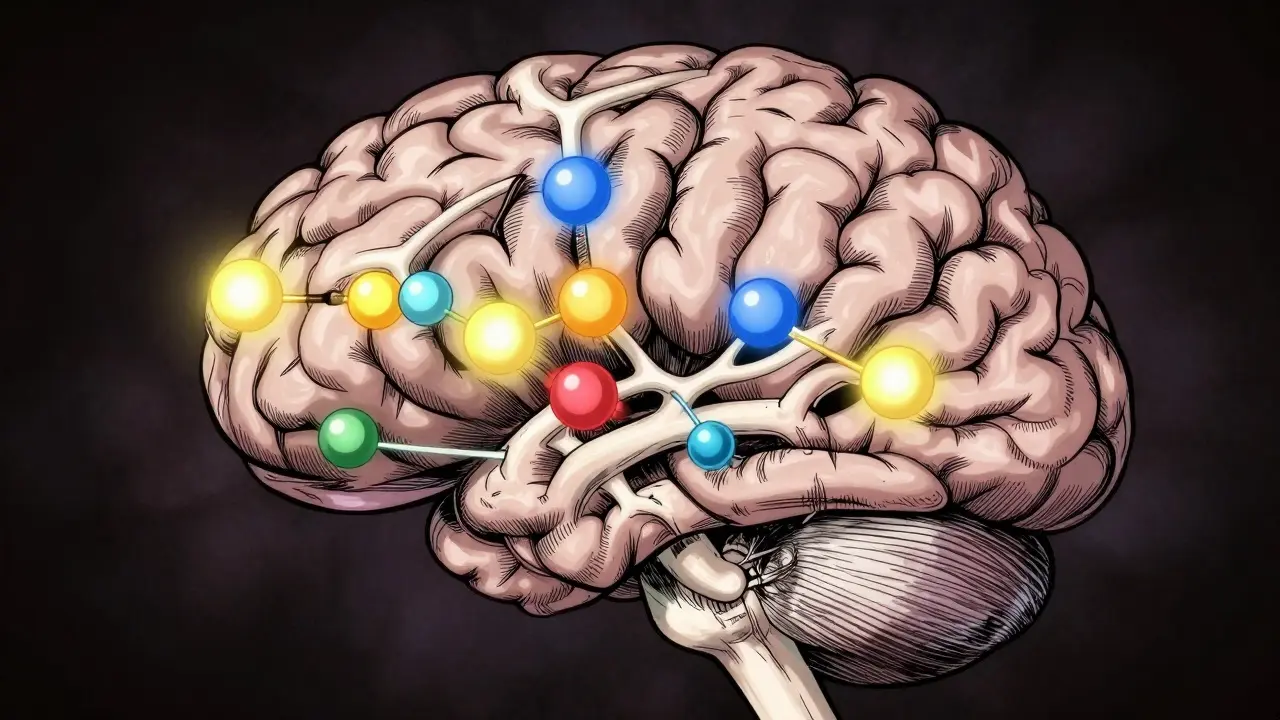
It's incredibly frustrating to feel like a guinea pig, but the reality is that your brain chemistry is unique. What works for your neighbor might do nothing for you. Data suggests it may take trying 2 to 3 different medications before you find the one that fits your biology without causing intolerable side effects.
The biggest challenge is the waiting game. Many people quit their meds after two weeks because they "feel the side effects but not the benefits." Remember: the benefits take 4 to 12 weeks to fully bloom. If you feel nauseous in week one, that's a side effect. If you still feel depressed in week two, that's normal. Don't give up too early.
There are a few pro tips for managing the transition:
- Combat Drowsiness: If the medication makes you sleepy, ask your doctor about taking it at night.
- Handle Dry Mouth: Use sugar-free gum or sips of water throughout the day.
- Address Sexual Issues: Some doctors add a small dose of bupropion to an SSRI to help counteract sexual side effects.
The Danger of Stopping Abruptly
One of the most dangerous things you can do is stop taking your antidepressants overnight. This leads to Discontinuation Syndrome, which is essentially a withdrawal. Between 50% and 70% of patients experience this if they quit cold turkey. The symptoms are unpleasant: dizziness, "brain zaps" (electric shock sensations in the head), flu-like symptoms, and a spike in anxiety.
Some drugs are harder to quit than others. For example, paroxetine has a short half-life, meaning it leaves your system quickly, leading to higher withdrawal rates (up to 75%). Fluoxetine stays in the system longer, making the taper slightly smoother. No matter which one you are on, always work with your doctor to slowly lower the dose over weeks or months.

Looking Forward: Personalized Medicine
The future of mental health is moving away from the "guess and check" method. We are seeing the rise of faster-acting treatments. For example, esketamine (Spravato) can work within hours for people with treatment-resistant depression, rather than waiting weeks.
Even more exciting is the move toward genetic testing. Researchers are identifying markers that can predict with about 70% accuracy whether an SSRI will work for a specific person. In the next few years, your doctor might run a quick genetic swab before writing your first prescription, potentially skipping months of trial and error and getting you to the right medication immediately.
How long does it actually take to feel better?
You might notice small changes in sleep or appetite within the first two weeks, but the significant lift in mood typically happens between 4 and 6 weeks. Some people don't reach their full therapeutic benefit until 12 weeks of consistent use.
Will I have to take these for the rest of my life?
Not necessarily. However, guidelines suggest staying on the medication for 6 to 9 months after you feel "normal" again. Stopping too soon often leads to a relapse rate of 50-60%, whereas continuing the course can drop that risk to 20-30%.
Can I drink alcohol while taking antidepressants?
While it varies by drug, alcohol generally worsens depression and can amplify the sedative effects of antidepressants, making you more drowsy or impaired. It is best to avoid or strictly limit alcohol, especially during the first few weeks of treatment.
What if the medication makes my anxiety worse at first?
It's surprisingly common to feel an initial spike in anxiety or restlessness during the first few days of treatment. This is usually a temporary side effect. If it becomes unbearable or doesn't settle within a couple of weeks, contact your doctor to adjust the dose or switch medications.
Are generic versions as good as the brand names?
Yes. Generic antidepressants contain the same active ingredients and are required to meet the same safety and efficacy standards as the brand-name versions, but they are significantly more affordable.
Next Steps and Troubleshooting
If you're just starting, your first priority is a tracking system. Keep a simple daily log of your mood and any side effects. This data is gold for your doctor; instead of saying "I feel weird," you can say "I've had a headache every morning for four days." This helps them decide whether to stick with the drug or switch you to something else.
If you're currently on a medication and feel it's not working, don't just double the dose. Some people respond better to a lower dose of a different drug than a high dose of the current one. Schedule a review every 2 to 4 weeks initially to ensure you're on the right path.
Finally, remember that medication handles the chemistry, but therapy handles the patterns. If you find yourself feeling "stable" but still unable to cope with life's stressors, consider adding Cognitive Behavioral Therapy (CBT) to your routine. This combination is widely considered the gold standard for preventing future relapses.