
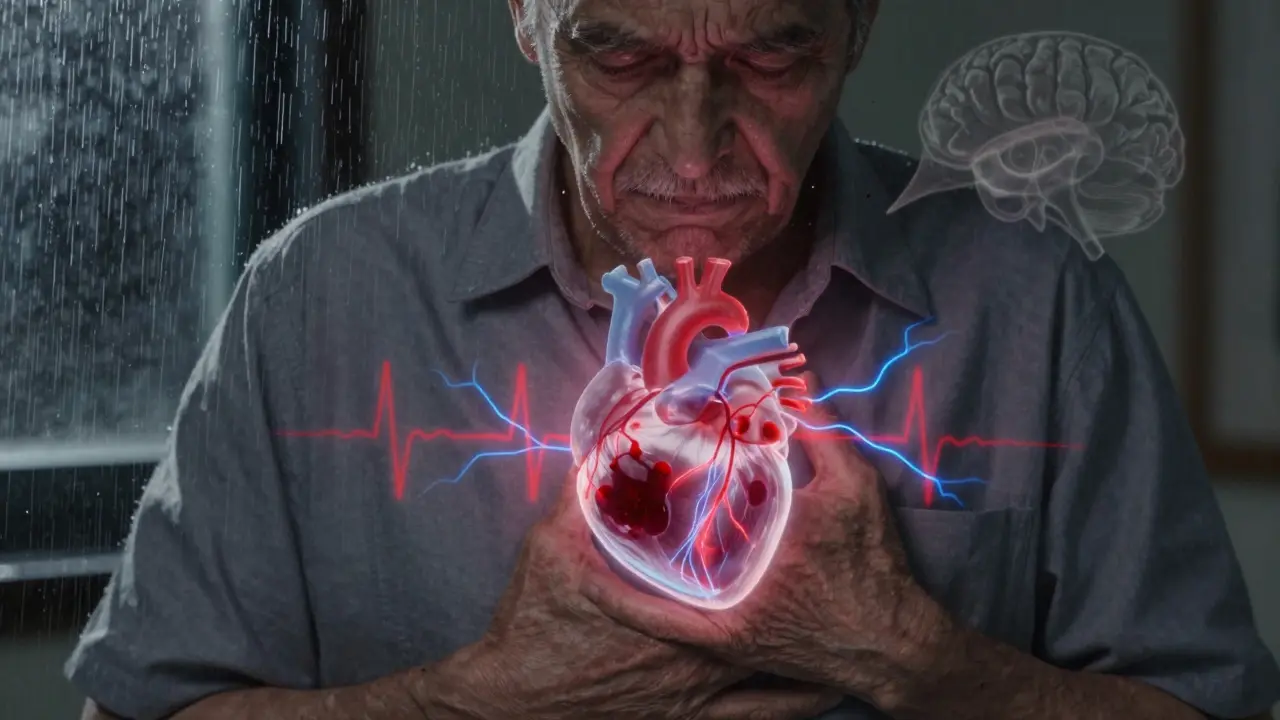
When your heart skips a beat, races too fast, or drags too slow, it’s not just a flutter you can ignore. These aren’t normal hiccups-they’re signs of something deeper: arrhythmias. Arrhythmias are abnormal heart rhythms, and while some are harmless, others can lead to stroke, heart failure, or sudden cardiac arrest. Three of the most common types are atrial fibrillation, bradycardia, and tachycardia. Each behaves differently, affects your body in unique ways, and needs its own approach to treatment. If you’ve ever felt your heart pounding out of your chest or like it stopped for a second, this is for you.
What Is Atrial Fibrillation?
Atrial fibrillation, often called AFib, is the most common serious heart rhythm problem. Instead of beating in a steady rhythm, the upper chambers of your heart-called the atria-quiver or twitch erratically. This means blood doesn’t move properly, which can cause clots to form. If one of those clots breaks loose, it can travel to your brain and cause a stroke. That’s why AFib increases your stroke risk by five times, according to the American Heart Association.
AFib doesn’t always make you feel sick. Some people have no symptoms at all. Others feel their heart fluttering, racing, or skipping. You might get tired easily, short of breath, dizzy, or notice your chest feels tight. It’s more common as you age, especially after 65. High blood pressure, obesity, diabetes, and excessive alcohol use all raise your risk.
There are different types of AFib. Persistent means your heart stays out of rhythm and won’t fix itself without help. Long-standing persistent lasts over a year. Permanent means doctors have given up trying to reset the rhythm-you’ll need lifelong meds to control your heart rate and prevent clots.
How Is AFib Diagnosed?
Your doctor won’t guess. They’ll look for clues. If you mention an irregular pulse or have symptoms like dizziness or chest discomfort, they’ll start with a simple pulse check. If it feels uneven, that’s a red flag.
The gold standard test is a 12-lead ECG. It shows exactly how your heart’s electrical signals are firing. If the pattern looks messy-no clear P-waves, irregular spacing-that’s AFib. But sometimes, AFib comes and goes. That’s called paroxysmal AFib. For those cases, a 24-hour Holter monitor or even a wearable event recorder for weeks might be needed to catch the episode.
Other tests help paint the full picture: an echocardiogram to check heart structure, blood tests for thyroid or kidney issues, and sometimes a stress test to see how your heart reacts under pressure. You can’t treat AFib without knowing what’s causing it.
How Is AFib Treated?
Treatment isn’t one-size-fits-all. It depends on how long you’ve had it, how bad your symptoms are, and what’s triggering it.
Most people start with rate control. That means using meds like beta-blockers or calcium channel blockers to slow your heart down, even if it stays irregular. You don’t need a perfect rhythm-you need to feel okay. If that doesn’t work, or if you’re still tired and breathless, doctors may try rhythm control. This means trying to reset your heart with medication or a procedure called cardioversion.
Cardioversion uses a controlled electric shock to reset your heart’s rhythm. It’s done under light sedation. It works well, but AFib often comes back. That’s why most people also take blood thinners like warfarin or newer drugs like apixaban to prevent clots.
If meds fail, ablation is the next step. This is a minimally invasive procedure where a thin tube is threaded into your heart. Heat or cold energy creates tiny scars to block the faulty signals causing the chaos. A newer method called pulsed field ablation (PFA) uses electric pulses instead of heat or cold. It’s faster, safer, and less likely to damage nearby tissue. Some experts now believe ablation should be tried earlier-not just as a last resort.
For people with permanent AFib who still feel awful, a pacemaker combined with ablation of the AV node can help. It shuts down the heart’s natural wiring and lets the pacemaker take over. It’s not perfect, but it can restore quality of life.

What Is Bradycardia?
Bradycardia means your heart beats slower than 60 times per minute. For athletes or very fit people, this is normal. Their hearts are strong and pump efficiently. But for others, it’s a problem. If your heart is too slow, it can’t pump enough blood to your brain and muscles. That’s when you feel dizzy, faint, tired, or short of breath.
Causes vary. It can come from aging, heart disease, or damage from a heart attack. Some medications-like beta-blockers for high blood pressure-can slow your heart too much. Electrolyte imbalances, hypothyroidism, or sleep apnea also play a role.
Not all bradycardia needs treatment. If you’re healthy and feel fine, your slow heart rate might just be your body’s way of being efficient. But if you’re passing out, struggling to climb stairs, or feeling like you’re about to collapse, that’s a sign your heart isn’t keeping up.
What Is Tachycardia?
Tachycardia means your heart beats faster than 100 beats per minute at rest. There are different kinds. Supraventricular tachycardia (SVT) starts above the ventricles-often in the atria or AV node. Ventricular tachycardia (VT) starts in the lower chambers and is more dangerous. It can turn into ventricular fibrillation, which is life-threatening.
SVT episodes can come out of nowhere. You might feel your heart racing, fluttering, or pounding. You could get lightheaded, sweaty, or have chest pressure. These episodes often last seconds to minutes, then stop on their own. But if they happen often, they can wear out your heart.
VT is more serious. It often happens in people with prior heart damage-like after a heart attack. Symptoms include chest pain, fainting, or sudden collapse. It needs immediate attention.
Triggers include stress, caffeine, alcohol, smoking, or stimulant medications. Sometimes, there’s no clear cause.
How Are Bradycardia and Tachycardia Diagnosed?
Both are diagnosed with an ECG. For bradycardia, the pattern shows long gaps between beats. For tachycardia, the rhythm is fast and often regular, though sometimes irregular.
Like AFib, if episodes are brief or rare, you might need a Holter monitor or event recorder. For suspected VT, doctors may do an electrophysiology study-inserting catheters into the heart to map its electrical activity in detail.
Blood tests are also key. Low potassium, high thyroid hormone, or signs of infection can all trigger rhythm problems. Treating the root cause sometimes fixes the arrhythmia.
How Are Bradycardia and Tachycardia Treated?
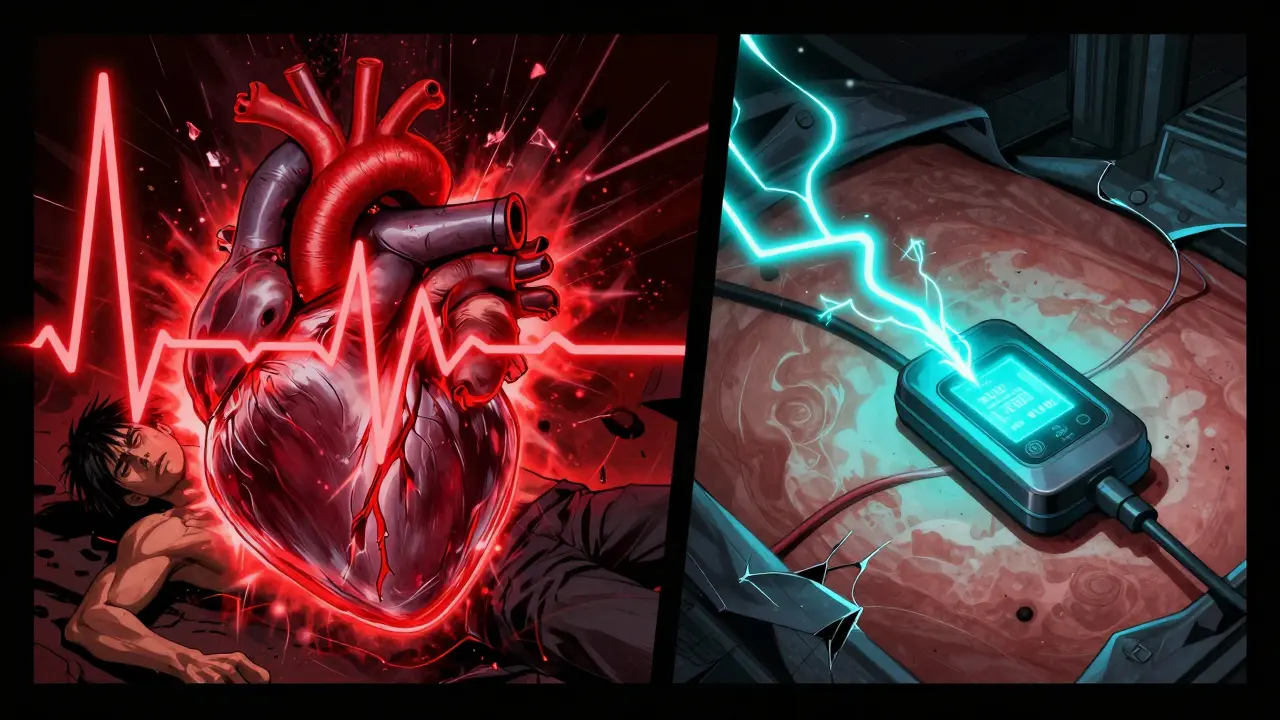
Bradycardia treatment depends on severity. If you’re asymptomatic, you might just need monitoring. If you’re fainting or at risk, a pacemaker is the standard fix. It’s a small device implanted under your skin that sends electrical pulses to keep your heart beating at a safe rate. Modern pacemakers adjust automatically if you’re active or resting.
Tachycardia treatment varies by type. For SVT, simple techniques like the Valsalva maneuver (holding your breath and bearing down) can sometimes stop the episode. Medications like adenosine can reset the rhythm quickly in emergencies. Long-term, beta-blockers or calcium channel blockers help prevent episodes.
For recurrent SVT, ablation is often curative. It targets the tiny area of heart tissue causing the short-circuit. Success rates are high-over 90% in many cases.
VT is treated differently. Antiarrhythmic drugs are used, but if you’re at high risk of sudden death, an implantable cardioverter-defibrillator (ICD) is recommended. It monitors your heart and delivers a shock if it detects a dangerous rhythm. It’s like having a personal emergency response system in your chest.
Can You Prevent Arrhythmias?
Yes-and it starts with lifestyle. You can’t change your age or genetics, but you can control what you eat, drink, and do.
- Keep your blood pressure in check. High pressure strains the heart.
- Lose excess weight. Even 10% weight loss can reduce AFib episodes.
- Limit alcohol. Binge drinking is a top trigger for AFib.
- Quit smoking. It damages heart tissue and raises arrhythmia risk.
- Manage stress. Chronic stress raises adrenaline, which can spark tachycardia.
- Treat sleep apnea. It’s strongly linked to AFib and other rhythm problems.
- Get regular exercise-but avoid extreme endurance sports if you’re at risk.
These aren’t just "good habits." They’re medical interventions. Studies show that people who follow these steps reduce their risk of developing arrhythmias by up to 40%.
When Should You See a Doctor?
You don’t need to panic every time your heart skips. But if you notice any of these, get checked:
- Heart racing or pounding without reason
- Feeling faint or passing out
- Chest pain or pressure
- Shortness of breath that doesn’t go away
- Unexplained fatigue that lasts days
- A pulse that feels irregular or skips beats
Don’t wait for it to get worse. Early diagnosis saves lives. A simple ECG can catch problems before they turn into strokes or heart failure.
Can arrhythmias go away on their own?
Sometimes, yes-especially if they’re caused by temporary triggers like stress, caffeine, or dehydration. Episodes of supraventricular tachycardia or paroxysmal AFib can stop without treatment. But if arrhythmias keep coming back, or if they’re linked to heart disease, high blood pressure, or aging, they won’t resolve on their own. Ignoring them increases the risk of stroke, heart failure, or sudden cardiac arrest. Medical evaluation is always needed if symptoms are frequent or severe.
Is atrial fibrillation always dangerous?
AFib itself isn’t usually fatal, but it’s very dangerous because of its complications. The main risk isn’t the irregular rhythm-it’s the blood clots it causes. About 1 in 5 strokes are linked to AFib. That’s why even people with mild symptoms need blood thinners and regular monitoring. Left untreated, AFib can weaken the heart over time, leading to heart failure. It’s not the arrhythmia that kills-it’s what it sets in motion.
Can you have bradycardia and tachycardia at the same time?
Yes. This is called tachy-brady syndrome, and it’s most common in people with sick sinus syndrome, often linked to aging or heart disease. The heart alternates between beating too fast and too slow. It’s a sign the heart’s natural pacemaker is failing. Treatment usually involves a pacemaker, sometimes combined with medication to control fast rhythms. It’s not rare-about 10% of elderly AFib patients experience this pattern.
Are wearable devices like Apple Watch reliable for detecting arrhythmias?
They’re useful for spotting possible issues, but not diagnostic. These devices can detect irregular pulses that might be AFib, and many studies confirm they’re accurate about 80-90% of the time. But they can’t tell the difference between AFib and other rhythm problems like PVCs or SVT. A normal reading doesn’t rule out arrhythmia, and a warning doesn’t mean you have it. Always follow up with a doctor for an ECG if a wearable alerts you.
Do all arrhythmias need medication?
No. Many people with occasional, mild arrhythmias don’t need drugs at all. Lifestyle changes, like cutting caffeine or managing stress, can be enough. For bradycardia, only those with symptoms need a pacemaker. For tachycardia, ablation can cure SVT without lifelong meds. Even in AFib, some patients do well with just blood thinners and rate control. Treatment is personalized-not automatic.



10 Comments
Really appreciate this breakdown. I’ve been dealing with paroxysmal AFib for years, and it’s crazy how often people dismiss it as "just anxiety." The part about ablation being considered earlier was eye-opening-my cardiologist waited too long to bring it up. Now I’m pre-procedure and feeling way more hopeful.
Also, the lifestyle stuff? 100% true. Cut out alcohol, lost 12 pounds, and my episodes dropped by 80%. Not magic, just science.
Good summary. I’m from Canada and we’ve got similar protocols here, but I’ve noticed a big gap in how primary care docs handle this. Too many patients get told "it’s probably nothing" and disappear into the system. The wearable tech point is spot-on-Apple Watch alerts saved two of my patients. But they still need an ECG. Tech is a gateway, not the diagnosis.
Also, love that you mentioned sleep apnea. It’s the silent partner in so many arrhythmias.
This is gold. I work in cardiac rehab and see this every day. People think "heart problem" = doom. But the truth? Most of these are manageable. I had a guy who quit smoking, started walking 30 mins a day, and his SVT vanished. No meds. No ablation. Just lifestyle.
Don’t underestimate the power of moving your body and breathing right. It’s not fluff-it’s medicine.
Yo I’m from the Philippines and we don’t have the same access to ablation tech here. But the lifestyle advice? Universal. My uncle had permanent AFib, no insurance, no ablation-just cut sugar, stopped drinking, and started walking. He’s still alive at 78. No stroke. No hospital. Just discipline.
Also, tachy-brady syndrome? Yeah, my abuelo had that. Pacemaker fixed it. Don’t let fear stop you from asking for help. We need more of these conversations outside the US.
Arrhythmias are dysrhythmic manifestations of autonomic dysregulation and structural remodeling. Early intervention via ablation in paroxysmal AFib alters the substrate, reducing long-term morbidity. Lifestyle modifications attenuate neurohormonal activation-critical for preventing progression.
ICDs are not merely devices-they’re bioelectronic stabilizers in high-risk ventricular pathology.