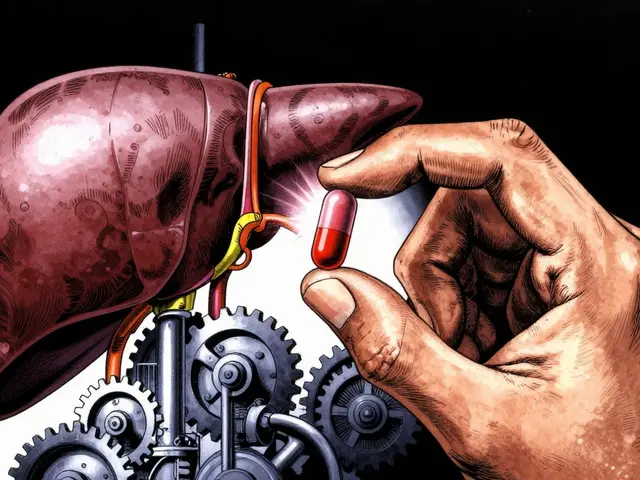
Understanding the Clouded Mind
Imagine waking up feeling like you are wearing someone else's clothes. You know your own name, but simple tasks like paying bills become impossible puzzles. This isn’t dementia, though it looks very similar. This is Hepatic Encephalopathy (HE). It is a complex condition where toxins build up in the blood because the liver cannot clean them out fast enough. These toxins travel to the brain, causing changes in mental function, mood, and behavior.
This issue is far more common than people realize. Approximately 30% to 45% of individuals living with chronic liver scarring (cirrhosis) will experience an episode of overt HE at some point. Another large group suffers from minimal cognitive impairment that only shows up in specialized tests. The good news is that unlike many neurodegenerative conditions, HE is often reversible if caught early. The goal of management is not just treating the symptoms, but preventing the cycle of hospitalization and confusion.
The Chemistry Behind the Confusion
To understand why HE happens, we need to look at the gut-liver-brain axis. Your digestive system produces waste products as bacteria break down food and protein. One specific waste product is Ammonia. In a healthy body, the liver filters this ammonia out of the bloodstream before it reaches other organs. However, when the liver is damaged, or when blood bypasses the liver through portosystemic shunts, ammonia levels rise.
Research indicates that 80% to 90% of circulating ammonia comes from the gut. Specific urease-producing bacteria, such as Klebsiella and Proteus, contribute heavily to this production. Once ammonia enters the brain, it causes swelling in star-shaped brain cells called astrocytes. This swelling disrupts neurotransmitter balance and leads to the neurological symptoms we see. While high ammonia levels correlate strongly with acute liver failure, they do not always predict severity in chronic cases, meaning a low number doesn’t guarantee safety and a high number doesn’t guarantee coma.
Spotting the Warning Signs Early
Catching HE early means better outcomes for everyone involved. The progression typically follows a grading scale based on mental status changes. Grade 1 starts subtly with mild confusion and sleep disturbances-you might find your loved one sleeping during the day but being awake at night. By Grade 2, personality changes and disorientation set in; they may struggle with basic math or personal hygiene. Grade 3 involves marked confusion and incoherent speech, while Grade 4 results in coma.
Families often misinterpret these signs as normal aging or stress. A study by the British Liver Trust found that nearly one-third of patients were initially misdiagnosed with dementia before HE was identified. Caregivers play a critical role here. Family members detect symptoms 48 to 72 hours earlier than clinicians in over 60% of cases. Keeping a symptom diary helps track sleep patterns, clarity of thought, and any sudden behavioral shifts.
| Grade | Mental Status | Physical Signs |
|---|---|---|
| Grade 1 | Mild confusion, sleep reversal | Brief attention span |
| Grade 2 | Lethargy, disorientation | Astrocyte swelling begins |
| Grade 3 | Marked confusion, inappropriate behavior | Incoherent speech |
| Grade 4 | Coma, unresponsiveness | Requires airway support |

Treatment Strategies: More Than Just Pills
The primary treatment goal is reducing ammonia levels and managing triggers. The cornerstone therapy remains Lactulose. Introduced for this purpose in the mid-20th century, this synthetic disaccharide works by acidifying the colon. It lowers the pH from neutral (7) to acidic (5-6), trapping ammonia in a form that cannot cross back into the blood. Instead, the toxin exits the body through bowel movements.
Patient adherence is often the biggest hurdle. About 79% of users report diarrhea as a major side effect, which can lead to dehydration-a dangerous trigger for further HE episodes. The ideal outcome is not watery stools, but two to three soft bowel movements daily. Dosage titration is essential; starting with 30-45 mL every few hours until the target is met is standard practice. If oral intake isn't possible, rectal administration is an effective alternative.
When lactulose alone fails or for maintenance after recurrent episodes, doctors add Rifaximin. Approved in 2010, this non-absorbable antibiotic reduces gut bacteria that produce ammonia. Clinical trials show it cuts recurrence rates by over 50% compared to placebo. However, cost can be prohibitive for some, as monthly expenses can reach $1,200 for branded versions compared to $15-$30 for generic lactulose.
Identifying and Managing Triggers
Most HE episodes aren’t random; they have a cause. Medical teams call these "precipitating factors." Spontaneous bacterial peritonitis (infection of abdominal fluid) accounts for 25% to 30% of acute flare-ups. Upper gastrointestinal bleeding contributes another 20% to 25%. Even minor electrolyte imbalances, particularly low potassium, can trigger a cascade leading to confusion.
Preventive strategies are vital. Avoiding certain medications is key; benzodiazepines increase the risk of HE by more than three times. Diet plays a nuanced role too. Contrary to old beliefs, you generally should not restrict protein permanently. During an acute crisis, a temporary reduction to 0.5 g/kg/day might help, but maintaining 1.2-1.5 g/kg/day supports muscle mass and prevents malnutrition. Some centers now test for specific gut microbiome imbalances in refractory cases to tailor treatments like fecal microbiota transplantation.

Living with the Condition
Life does not end with an HE diagnosis, but it requires adjustment. Social isolation is a real concern, affecting 42% of patients who worry about appearing confused in public. Support networks are crucial. Community surveys highlight that consistent medication schedules reduce hospital visits by nearly half. Regular follow-up appointments allow doctors to adjust lactulose doses before symptoms become severe.
Emerging therapies offer hope for the future. New agents targeting the gut flora directly, like ribaxamase, are showing promise in clinical trials. Furthermore, smartphone apps are now being tested to monitor cognitive decline remotely, allowing for intervention before a crisis occurs. For families, knowing the warning signs and having a plan significantly improves quality of life.
Frequently Asked Questions
Can Hepatic Encephalopathy be cured?
It is reversible in most cases with proper treatment. Since it stems from metabolic issues, fixing the ammonia levels usually restores mental function. However, without treating the underlying liver disease, recurrence is likely.
What foods should be avoided?
Strict protein restriction is outdated and harmful long-term. You generally only limit protein temporarily during severe episodes. Focus on plant-based proteins which tend to produce less ammonia than red meat.
Is lactulose safe for kidney problems?
Yes, but dose adjustments might be necessary. Always consult your hepatologist if you have renal impairment, as electrolyte monitoring is critical to avoid worsening dehydration.
Why does my doctor check ammonia levels?
While ammonia levels don't always correlate with severity in chronic disease, they remain valuable for monitoring acute treatment response. It helps differentiate HE from other causes of confusion like stroke or infection.
When should I call for emergency help?
Call immediately if there is severe confusion, inability to wake up, vomiting blood, or signs of severe infection like fever. Coma or extreme drowsiness suggests the need for intensive care unit admission.