
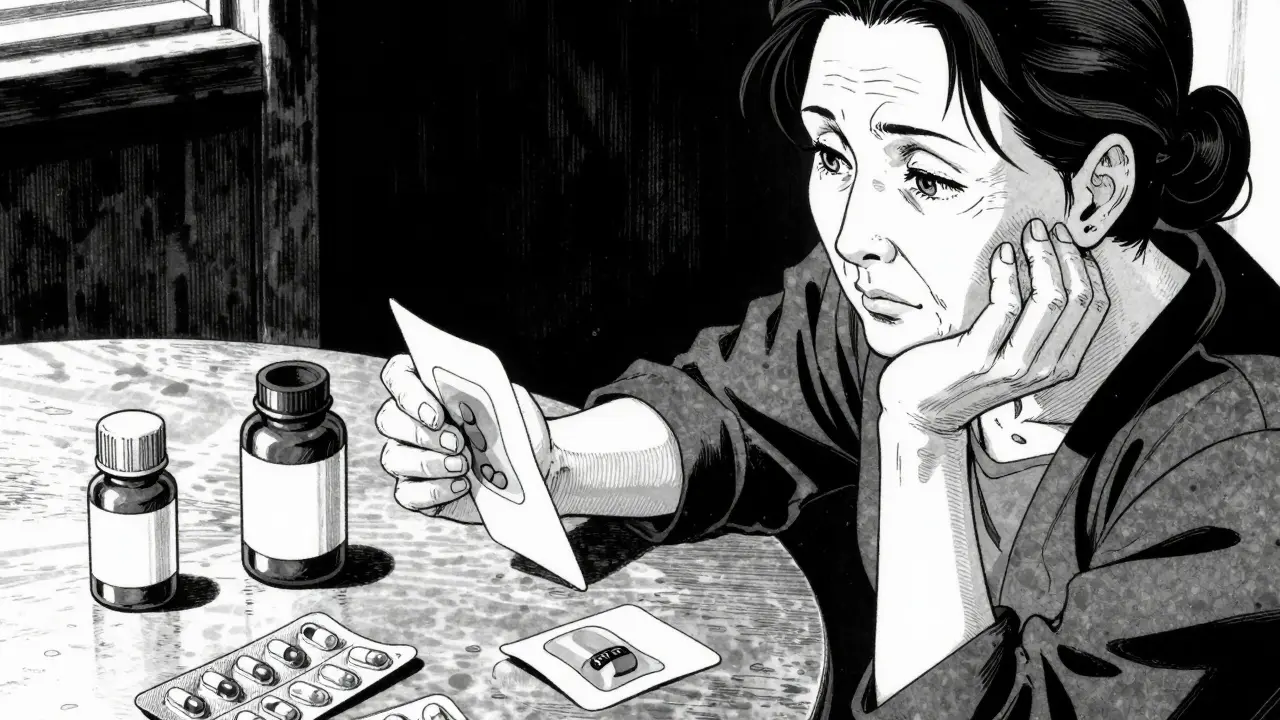
HRT Interaction Risk Checker
Use this tool to explore how different HRT administration methods and current medications may interact. Disclaimer: This is an educational tool. Always consult your prescribing physician before making changes to your medication.
Most people assume that if a doctor prescribes a treatment, it's automatically safe with everything else. However, many interactions are only discovered through long-term monitoring or spontaneous reports from patients. Whether you're using a pill, a patch, or a gel, understanding how these substances interact is the best way to ensure your treatment is actually working. Here is what you need to know about keeping your medication cocktail safe and effective.
Quick Summary of Interaction Risks
- Administration Matters: Transdermal patches generally have fewer interactions than oral tablets because they bypass the first-pass metabolism in the liver.
- Critical Drug Clashes: Be especially cautious with epilepsy medications, certain antibiotics, and HIV treatments.
- Herbal Interference: St. John's wort can actively reduce the effectiveness of HRT.
- Monitoring Needs: If you're on medications with a "narrow therapeutic index" (where a tiny dose change matters), you need closer blood monitoring.
The Hidden Chemistry: How HRT Changes Your Meds
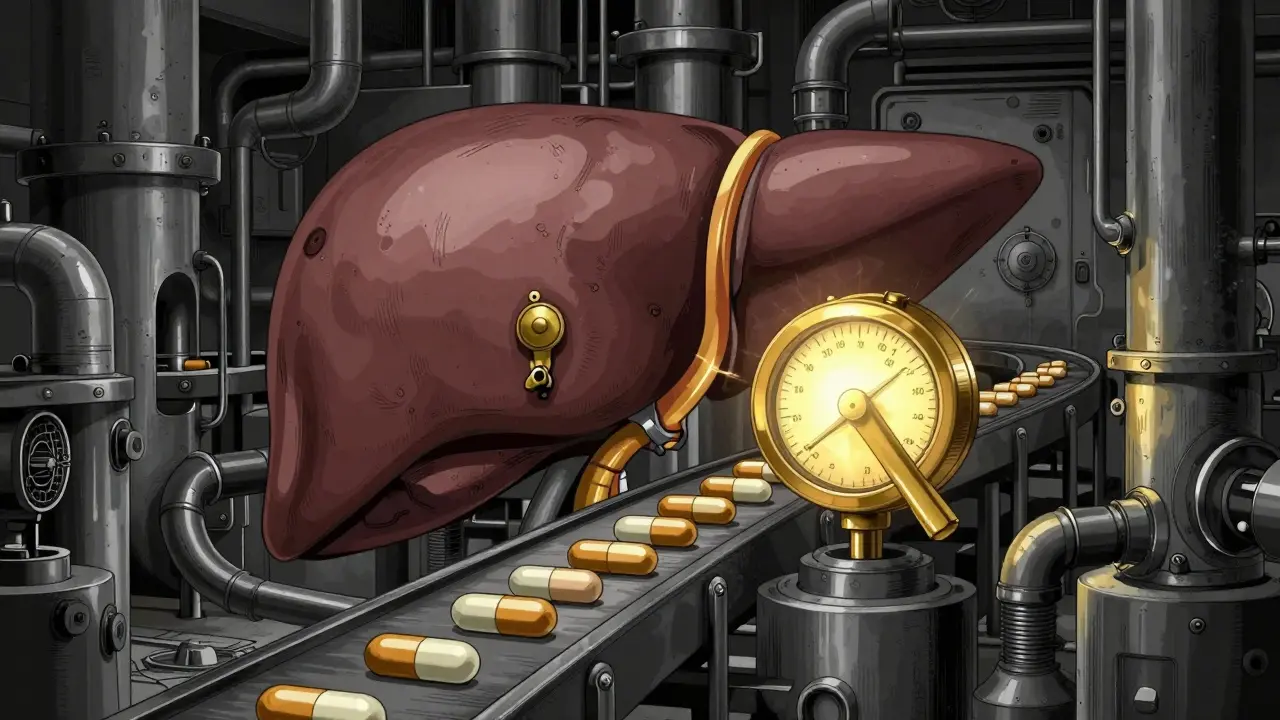
To understand why interactions happen, you have to look at the liver. Estrogen acts like a volume knob for certain enzymes in your body. For example, estradiol can increase the expression of an enzyme called UGT1A4. If you're taking a drug that relies on that specific enzyme to be broken down, your body might clear that drug out of your system much faster than usual.
This isn't just a theoretical chemistry problem; it has real-world consequences. Take Lamotrigine, a medication used for epilepsy and mood stabilization. When a woman starts HRT, the increase in UGT1A4 enzymes can cause lamotrigine levels in the blood to drop significantly. In one documented case, a woman noticed her depressive symptoms returning after five months on HRT because the hormones were essentially "flushing" her mood stabilizer out of her system before it could work.
High-Risk Medication Categories
Not all drugs are affected equally. The biggest red flags appear when HRT is combined with medications that require very precise levels in the bloodstream to be safe. These are known as drugs with a narrow therapeutic index.
Anticonvulsants and Epilepsy Meds
As mentioned with lamotrigine, hormones can make seizures harder to control. If you notice an increase in breakthrough symptoms after starting HRT, don't assume it's just "stress"-it could be a pharmacological interaction.
Steroids and Cortisones
If you take Hydrocortisone, HRT can complicate your diagnostics. Female hormones increase a protein called corticosteroid-binding globulin (CBG). This means your total cortisol levels in the blood might nearly double, even though the "free" cortisol (the part that actually does the work) remains the same. This makes it almost impossible for doctors to use standard blood tests to see if your hydrocortisone dose is correct.
Blood Thinners and Anticoagulants
Because combination HRT (estrogen and progestin) is linked to a higher risk of blood clots, taking them alongside anticoagulants requires a very careful balance. The risk of stroke or heart attack increases if the timing and dosage aren't managed by a specialist.
| Method | Metabolism Path | Interaction Risk | Best For... |
|---|---|---|---|
| Oral (Tablets/Capsules) | Liver (First-Pass) | Higher | Standard use, lower cost |
| Transdermal (Patches/Gels) | Directly into Bloodstream | Lower | People on multiple other meds |
| Vaginal (Creams/Rings) | Localized Absorption | Lowest | Localized symptoms only |
The Danger of "Natural" Supplements
Many people assume that because a supplement is natural, it can't hurt. This is a dangerous misconception when it comes to hormones. St. John's wort is a prime example. This herbal remedy can speed up the metabolism of HRT, meaning the hormones are cleared from your body too quickly to treat your symptoms. You might find yourself wondering why your HRT isn't working, not realizing your "natural" mood booster is the culprit.
Other supplements like Resveratrol have a chemical structure similar to synthetic estrogens. While the evidence is weaker than with St. John's wort, there is a risk that these supplements could mimic or interfere with your prescribed hormone levels, leading to unpredictable fluctuations in your symptoms.
Practical Safety Steps for Patients
Managing these risks doesn't mean you can't use HRT; it just means you need a strategy. If you are starting a new hormone regimen, follow these practical rules of thumb:
- Full Disclosure: Your doctor needs a list of every single thing you swallow-including vitamins, fish oil, and herbal teas.
- The "Window" Period: If you are scheduled for surgery or a long period of bedrest, most guidelines suggest stopping estrogen and progestin 4 to 6 weeks prior to reduce the risk of blood clots, especially if you smoke or have diabetes.
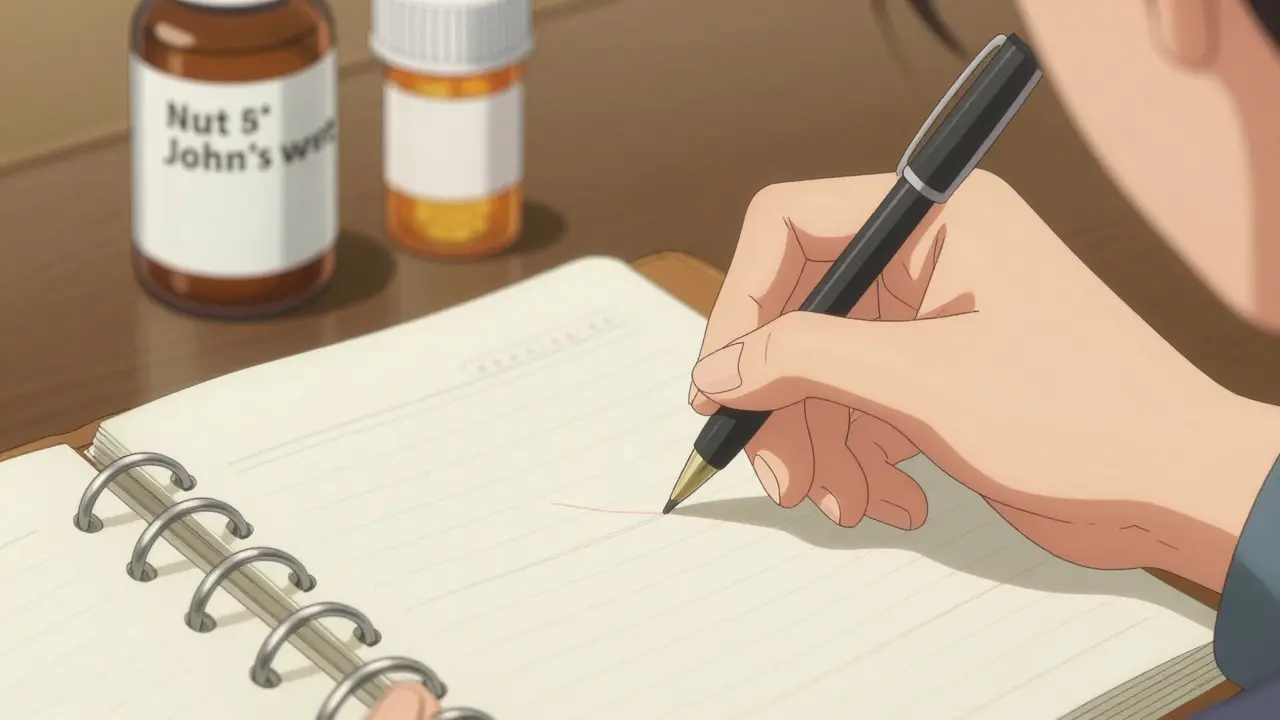
- Symptom Tracking: Keep a log for the first three months. If your epilepsy, depression, or blood pressure meds seem to be "failing," it's likely an interaction, not a disease progression.
- Physical Red Flags: When combining testosterone with hydrocortisone, watch for swollen ankles, feet, or hands. This is a sign of water retention that requires an immediate dose adjustment.
When to Call Your Doctor Immediately
Some interactions can lead to acute cardiovascular events. If you are on combination HRT and experience any of the following, seek help immediately:
- A sudden, severe headache that feels different from a tension headache.
- Sudden loss of vision or blurred sight.
- Speech problems or a sudden feeling of confusion.
- Severe, sudden vomiting.
Are patches really safer than pills regarding drug interactions?
Yes, generally. Because oral tablets are processed by the liver immediately after absorption (the first-pass effect), they are more likely to interact with other drugs that use the same liver enzymes. Patches deliver hormones directly into the bloodstream, bypassing this initial liver hit, which makes them a better choice for women taking multiple other medications.
Can HRT make my antidepressants stop working?
It can, if those antidepressants are metabolized by the same enzymes that estrogen affects. For instance, if you take certain mood stabilizers like lamotrigine, HRT can lower the concentration of the drug in your blood, which might make it seem like your depression is getting worse when in reality, you're just getting a lower dose of your medication.
Does progesterone cause the same interactions as estrogen?
Progesterone-only therapies generally have far fewer documented interactions than estrogen-containing ones. Most of the "heavy lifting" regarding enzyme induction and protein binding changes is driven by the estrogen component of HRT.
What should I do if I need surgery while on HRT?
You should discuss a cessation plan with your surgeon. For those with risk factors like smoking, high blood pressure, or diabetes, it is common to stop combination HRT about 4 to 6 weeks before surgery to minimize the risk of developing a blood clot (deep vein thrombosis) during recovery.
Will taking a multivitamin interfere with my hormones?
Standard multivitamins typically don't interfere. However, check for "herbal blends" inside those vitamins. If the supplement contains St. John's wort, it could significantly reduce the effectiveness of your HRT tablets or capsules.

recent posts



© 2026. All rights reserved.