Antiemetics: What They Are, How They Work, and Which Ones Actually Help
When nausea hits, it’s not just uncomfortable—it can make you feel powerless. Antiemetics, medications designed to prevent or stop nausea and vomiting. Also known as anti-nausea drugs, they’re some of the most commonly prescribed treatments in hospitals, clinics, and home medicine cabinets. These aren’t just for morning sickness or motion sickness. They’re critical for people going through chemotherapy, recovering from surgery, or dealing with severe migraines. Without them, many would struggle to keep food down, stay hydrated, or even leave their beds.
Not all antiemetics work the same way. Some target the brain’s vomiting center, others block signals from the gut, and a few calm the inner ear to stop motion sickness. Ondansetron, a serotonin blocker often used for chemo patients, is one of the most effective for cancer-related nausea. Dramamine, an antihistamine for travel sickness, works differently—it slows down the signals from your inner ear that tell your brain you’re spinning. Then there’s Metoclopramide, a drug that speeds up stomach emptying while also calming the brain, which helps when nausea comes from slow digestion or reflux.
But here’s the catch: not every antiemetic is right for every situation. What works for a pregnant woman might make someone with Parkinson’s worse. Some cause drowsiness, others trigger headaches or strange movements. The FDA has flagged certain older drugs for long-term risks, especially in elderly patients. That’s why doctors now lean toward newer options with cleaner safety profiles. You can’t just grab the first pill you see on the shelf—you need to match the drug to the cause.
The posts below dive into real-world cases: how antiemetics are used during cancer treatment, why some patients still vomit despite taking them, and which alternatives are gaining traction. You’ll find comparisons between prescription drugs and over-the-counter options, warnings about dangerous interactions, and insights into why some people respond better than others. Whether you’re a patient, caregiver, or just trying to understand why your nausea won’t go away, these articles give you the facts without the fluff.
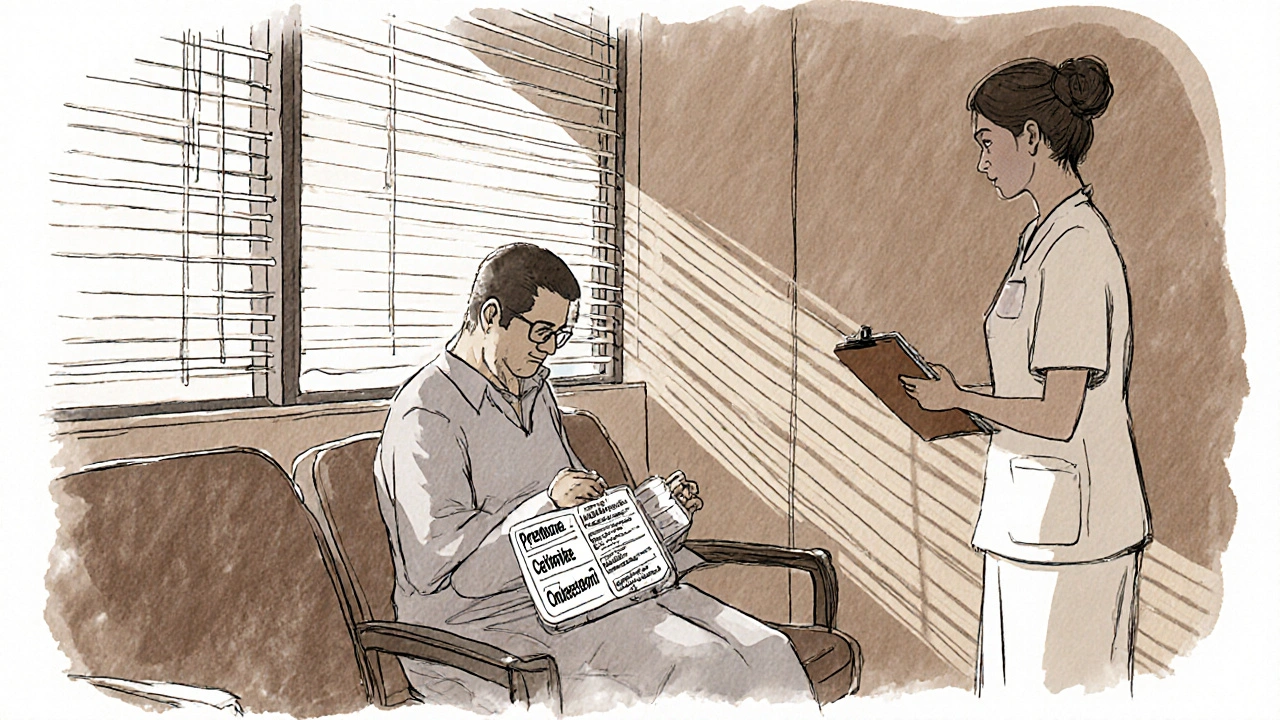
Pre-Medication Strategies: Antiemetics, Antihistamines, and Steroids for Safer Medical Procedures
Learn how antiemetics, antihistamines, and steroids prevent dangerous reactions during scans and chemo. Evidence-based protocols, timing rules, and real-world success rates explained.
read more