FDA 483: What It Means for Drug Manufacturers and How to Respond
When the FDA 483, a formal list of observations issued by the U.S. Food and Drug Administration after an inspection of a drug manufacturing facility. Also known as Form 483, it's not a fine or a shutdown—it's a red flag that something went wrong during quality control. This document is handed to facility managers right after an FDA inspector leaves the site. It lists specific problems found—like dirty equipment, missing records, or unvalidated processes—that violate Current Good Manufacturing Practices (CGMP). These aren't minor slip-ups. They’re the kind of mistakes that could let contaminated or ineffective drugs reach patients.
Companies that get an FDA 483 often panic, but the real danger comes from ignoring it. The CGMP violations, a set of rules that ensure drugs are consistently produced and controlled according to quality standards listed in the 483 are the same ones that lead to FDA warning letters, official notices demanding immediate corrective action, often followed by legal penalties or import bans. If you don’t respond within 15 days with a solid plan to fix every issue, the FDA doesn’t wait. They escalate. That’s when you lose market access, face public scrutiny, or get blocked from exporting products overseas. Many manufacturers think they can brush it off, but one 483 can trigger audits, recalls, or even criminal investigations if patterns of negligence show up.
The good news? Most 483s are fixable—if you act fast and honestly. The best responses don’t just say "we’ll fix it." They show exactly how they’ll fix it: with timelines, training logs, updated SOPs, and proof that the root cause was found. Did a technician skip a cleaning step? Then retrain everyone and install checklists. Did data get lost because records were handwritten? Switch to digital systems with audit trails. The FDA doesn’t expect perfection—they expect accountability. And they track repeat offenders. If you’ve had a 483 before, they’ll come back harder next time.
What you’ll find below is a collection of real-world examples and deep dives into the issues that trigger these inspections. From contamination risks in clean rooms to how improper documentation leads to compliance failures, these posts break down what goes wrong—and how smart companies turn inspections into improvements. Whether you’re in manufacturing, quality control, or just trying to understand why some drugs get pulled from shelves, this is the behind-the-scenes look at how safety is enforced—and how it can be protected.
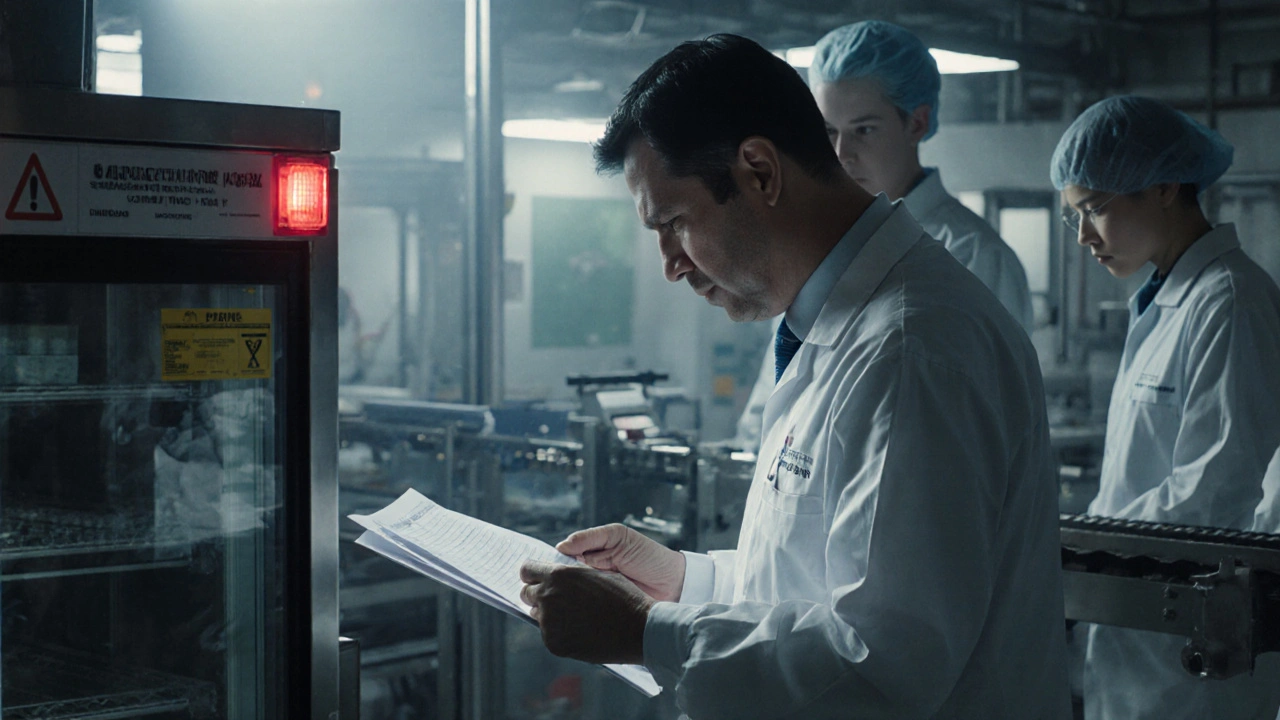
FDA Inspection of Generic Manufacturing Facilities: What to Expect in 2025
Understand what happens during an FDA inspection of generic drug manufacturing facilities, from the 6-system review to FDA 483 responses and how to stay compliant with CGMP standards in 2025.
read more