
SGLT2 Inhibitor Infection Risk Calculator
Personal Risk Assessment
This tool estimates your risk of urinary complications from SGLT2 inhibitors based on a 5-point risk score validated by clinical studies.
Disclaimer: This calculator estimates risk based on clinical studies. It is not a substitute for medical advice. Consult your healthcare provider before making decisions about your diabetes treatment.
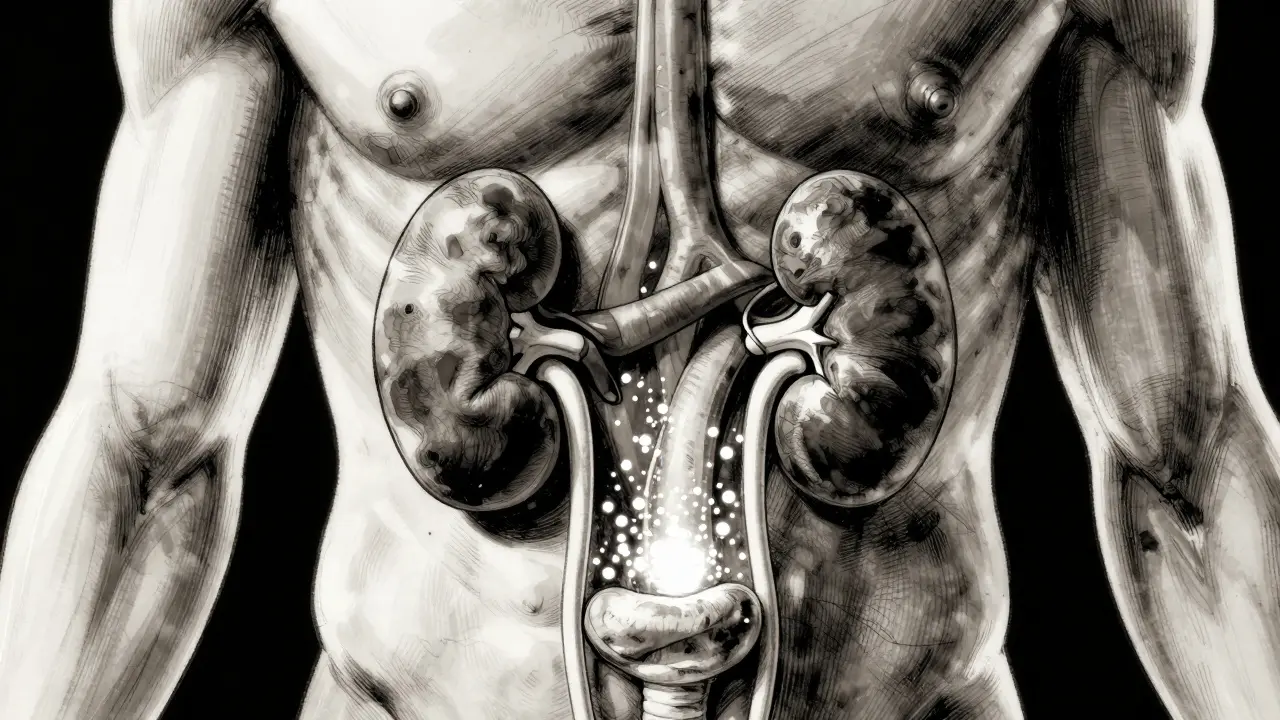
If you take medication for type 2 diabetes, you know the goal is to keep your blood sugar stable. But some medicines work in ways that change your body in unexpected places. One common side effect that catches many people off guard involves infections. Specifically, there is a strong link between a popular class of diabetes drugs called SGLT2 inhibitors and yeast infections and urinary complications. You might wonder why a pill for your blood sugar would cause issues in your urinary tract. The answer lies in exactly how these drugs lower glucose. They do not just lower sugar in your blood; they push it out through your urine. This creates a sweet environment where bacteria and fungi love to grow.
What Are SGLT2 Inhibitors and How Do They Work?
To understand the risk, you first need to understand the medicine. SGLT2 inhibitors are prescription medications for type 2 diabetes mellitus developed to lower blood glucose levels by inhibiting renal glucose reabsorption. Normally, your kidneys filter your blood and reabsorb almost all the sugar back into your system. These drugs block that process. They stop the sodium-glucose cotransporter-2 proteins in your kidneys from doing their job. The result is glycosuria, which means sugar spills into your urine. You might excrete between 40 to 110 grams of glucose daily depending on the specific drug and dose.
Several drugs fall into this category. You might recognise names like canagliflozin (Invokana), dapagliflozin (Farxiga), and empagliflozin (Jardiance). These were approved by the FDA between 2013 and 2014. They are popular because they do more than just lower blood sugar. Studies like EMPA-REG OUTCOME and CANVAS showed they help protect your heart and kidneys. They can also help you lose a little weight. However, this mechanism of pushing sugar into the urine is a double-edged sword. It feeds the microbes living in your genital and urinary areas.
The Link Between Sugar in Urine and Infections
Yeast and bacteria need sugar to thrive. When your urine is full of glucose, it acts like a culture medium in a lab. This is why yeast infections are a common side effect of SGLT2 inhibitors. In women, this often shows up as vulvovaginal candidiasis. You might feel itching, redness, or a thick discharge. In men, it can appear as balanitis, which is inflammation of the head of the penis. These fungal infections happen in about 3% to 5% of patients taking these drugs, compared to just 1% to 2% in people taking a placebo.
It is not just yeast. Bacteria also love the sugary urine. This leads to urinary tract infections (UTIs). A meta-analysis published in Pharmacology Research & Perspectives in 2022 found that these drugs increase the risk of UTIs significantly. The risk was 1.78 times higher compared to another common diabetes class called DPP-4 inhibitors. The absolute risk increase ranged from 2.1% to 3.8%. This means for every 100 people taking the drug, a few more will get a UTI than if they were on a different medication.
When Infections Become Serious
Most infections are mild and treatable with antifungals or antibiotics. However, some can become dangerous. The FDA has tracked cases of urosepsis, which is a severe infection of the blood that starts in the urinary tract. Between 2013 and 2014, the FDA identified 19 definite cases of urosepsis linked to these drugs. All 19 patients needed hospitalisation. Four of them needed intensive care, and two required dialysis because their kidneys failed temporarily.
There are even rarer but life-threatening conditions. One example is emphysematous pyelonephritis. This is a gas-forming infection in the kidney. A case report from the National Institutes of Health described a 64-year-old woman who developed this while taking dapagliflozin. She had no history of urinary problems before. She needed surgery to drain an abscess and spent 14 days on intravenous antibiotics. Another serious condition is Fournier's gangrene. This is a necrotizing fasciitis of the perineum. The European Medicines Agency added warnings about this in 2016 because it can be fatal if not treated quickly.

Understanding the Statistics and Risk Factors
It is easy to feel scared by the serious cases, but context matters. The absolute risk of serious infection remains low, around 0.1% based on clinical trial data. However, certain people are at higher risk. You should be more cautious if you are female, over 65, or have a history of recurrent UTIs. A 2024 study in Diabetes Care validated a 5-point risk score. It includes factors like age over 65, female sex, HbA1c above 8.5%, prior UTI history, and kidney function below 60 mL/min/1.73m². If you score high on this, your risk of a complicated UTI goes above 15%.
Real-world data also shows that side effects can lead to stopping the medication. The Swedish National Diabetes Register found that 23.7% of patients discontinued SGLT2 inhibitors within two years due to genitourinary side effects. This is higher than the 14.2% discontinuation rate for DPP-4 inhibitors. This suggests that while the drugs are effective, the infection risk is a real barrier for many patients.
| Drug Class | Relative Risk of UTI | Relative Risk of Genital Infection |
|---|---|---|
| SGLT2 Inhibitors | 1.78 (vs DPP-4) | 4.57 (vs DPP-4) |
| DPP-4 Inhibitors | 1.0 (Baseline) | 1.0 (Baseline) |
| Sulfonylureas | 1.72 (vs SGLT2) | 3.82 (vs SGLT2) |
Prevention and Management Strategies
You can take steps to lower your risk if you need to stay on this medication. The American Diabetes Association recommends assessing your history of recurrent urinary tract infections before starting. If you have had many UTIs in the past, your doctor might choose a different drug like metformin or a GLP-1 receptor agonist. If you are already on the medication, hygiene is key. You should wash the genital area gently and keep it dry. Wipe from front to back to prevent bacteria from spreading.
Fluid intake is another simple tool. Drinking more water helps flush sugar out of your bladder more frequently. This reduces the time bacteria have to grow. Some evidence suggests cranberry products might help. The FDA's 2023 Safety Announcement highlighted that prophylactic cranberry products may reduce UTI incidence by 29%. However, this is off-label use, so check with your doctor first.
Do not ignore symptoms. The Patient Medication Guides warn you to look for tenderness, redness, or swelling of the genitals. Also watch for fever above 100.4°F or a general feeling of being unwell. If you notice these signs, contact your healthcare provider immediately. Delayed treatment can lead to rapid progression to complicated infections like pyelonephritis.

Weighing Heart Benefits Against Infection Risks
Why do doctors prescribe these drugs if they carry infection risks? The answer is the cardiovascular benefits. Empagliflozin showed a 14% relative risk reduction in major adverse cardiovascular events in the EMPA-REG OUTCOME trial. Canagliflozin showed similar results in the CANVAS Program. For patients with established heart disease or heart failure, these benefits often outweigh the infection risks. The drugs also protect the kidneys, slowing the progression of chronic kidney disease.
However, the balance changes for different patients. If you have no heart disease but have a history of frequent UTIs, the risk-benefit profile might not be positive. The American Association of Clinical Endocrinologists updated their treatment algorithms in 2022. They position these drugs as second-line therapy after metformin for patients with heart disease. But for patients with recurrent urinary tract infections, they are third-line or lower. It is a personal calculation that you and your doctor must make together.
When to Talk to Your Doctor
You should have an open conversation with your prescriber. Ask about your specific risk factors. If you are female, post-menopausal, or have had recent infections, ask if there are alternatives. Do not stop taking your medication without advice. Sudden changes in diabetes management can spike your blood sugar. But if you develop severe symptoms, seek emergency care. Conditions like Fournier's gangrene or urosepsis require immediate hospital treatment.
Global sales of these drugs reached $12.7 billion in 2022. They represent 28% of the diabetes medication market. This popularity shows they are effective tools. But they are not for everyone. Understanding the urinary complications helps you use them safely. Stay vigilant, keep your hygiene high, and report changes early. Your health depends on balancing the benefits of glucose control with the safety of your body.
Do SGLT2 inhibitors cause yeast infections in men?
Yes, men can get yeast infections from these drugs. It often appears as balanitis, which is inflammation of the head of the penis. Symptoms include redness, itching, and discharge. The risk is lower than in women but still significant compared to placebo.
How quickly do infections usually appear after starting the medication?
Most genital fungal infections present within the first few months of therapy. Serious urinary complications like urosepsis have a median time to onset of 45 days, but cases have been reported as late as 270 days after starting.
Can I take antibiotics to prevent these infections?
Routine antibiotic use is not recommended due to resistance risks. Instead, focus on hygiene and hydration. Some evidence suggests cranberry products may help reduce UTI incidence, but consult your doctor before adding supplements.
What are the symptoms of a serious urinary infection?
Warning signs include fever above 100.4°F, tenderness in the back or sides, redness or swelling of the genitals, and a general feeling of being unwell. If you experience these, seek medical attention immediately.
Are there safer alternatives to SGLT2 inhibitors?
Yes, DPP-4 inhibitors and GLP-1 receptor agonists generally have lower risks of genitourinary infections. Metformin is also a common first-line option. The best choice depends on your heart health and infection history.





14 Comments
keep ur hygiene up and drink lots of water. helps a lot with the sugar in urine thing.
it is weird we trust these meds so much 🤷♀️ big pharma pushing pills that make you sick then sell you antibiotics for it 🙄 stay strong americans we can do better 🇺🇸
sure glad i read this before i almost took the stuff. sounds like a recipe for disaster honestly.
The risks here need to be weighed against the heart benefits carefully. It is important to consider the infection possibilities.
Totally understand the worry 😟 but dont panic if you are on these meds. Just keep an eye on symptoms and talk to your doc 🩺💙
People forget that the body is a complex ecosystem and messing with glucose reabsorption is like throwing sugar into a petri dish. It seems counterintuitive to treat diabetes by creating an environment for infection. But then again, modern medicine often prioritizes numbers over holistic health. The statistics look scary but context is everything. It is strange that we accept side effects as inevitable rather than designing better drugs. Perhaps the real issue is the high blood sugar itself causing the vulnerability. Or maybe it is just the profit motive driving approval of these inhibitors. We see warnings added years later after people get sick. It feels like a trial and error process on patients. The heart benefits are real but one must decide if they are worth the risk of sepsis. Some say yes others say no. It depends on your personal history with infections. One might consider if natural alternatives could work without the urinary issues. Maybe diet changes could replace the need for this mechanism entirely. The industry pushes these drugs because they are patentable and profitable. We need to question the necessity of forcing sugar out of kidneys. It seems like a blunt instrument for a delicate system. Everyone should read the fine print before popping a pill. Health is wealth but safety comes first. 🤔
Great point about the ecosystem 🌿. We all want to stay healthy without too many side effects. Balance is key in life and medicine too ✨.
stop taking meds that hurt you
Your point about the blunt instrument is quite poignant. It reminds me of a sledgehammer used to crack a nut. The physiological implications are truly staggering in their magnitude.
i had a friend who got really sick from this stuff. it was scary to watch her deal with the infections. glad she switched meds eventually tho.
The FDA is just a pawn in this game!!! They approve everything to keep the money flowing!!! Do not trust the trials!!! They are rigged!!! 🤯
It is imperative to note that the pathophysiology of SGLT2 inhibition necessitates a rigorous understanding of renal glucose handling. The literature suggests a statistically significant correlation between glycosuria and genitourinary candidiasis. One must not overlook the potential for emphysematous pyelonephritis in susceptible populations. Clinical vigilance is paramount for all practitioners and patients alike. The risk stratification models provided are essential for informed consent. Ignoring these data points would be negligent. We must prioritize patient safety above all else in therapeutic decision making. The cardiovascular benefits are substantial but not absolute. Therefore, a nuanced approach is required for each individual case.
That is a very thorough explanation of the risks. It helps to understand the mechanism before starting treatment. Please consult your healthcare provider for personalized advice.
These drugs are a scam designed to keep you dependent on the system. Wake up people.